Logs
As the remotest part of the British Isles, St Kilda forms the most important seabird breeding site in northwest Europe. With cliffs, sea stacks and grassy slopes, the islands are ideally suited to nesting birds. Embark on a voyage of discovery, in the company of an expert naturalist, to share their passion for the natural world.
Tuesday 2nd June
Passengers embarked in Oban before the ship slipped north to anchor overnight in Tobermory Bay, beneath the famous painted frontages of Mull’s principal town.
⚓ Overnight anchorage: Tobermory Bay, Mull
Wednesday 3rd June
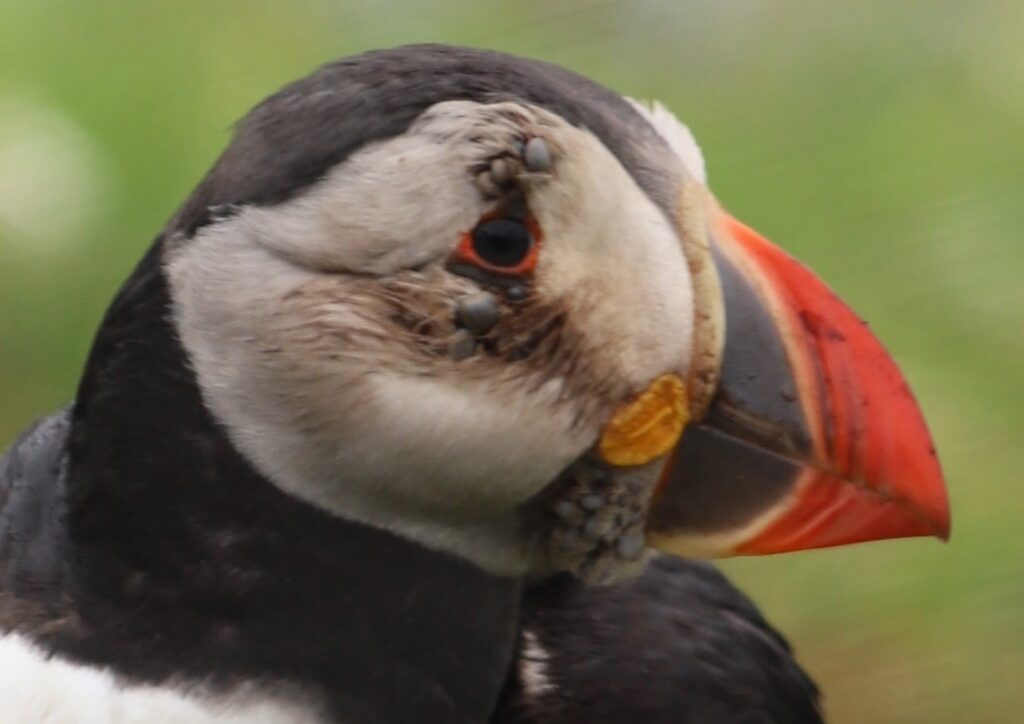
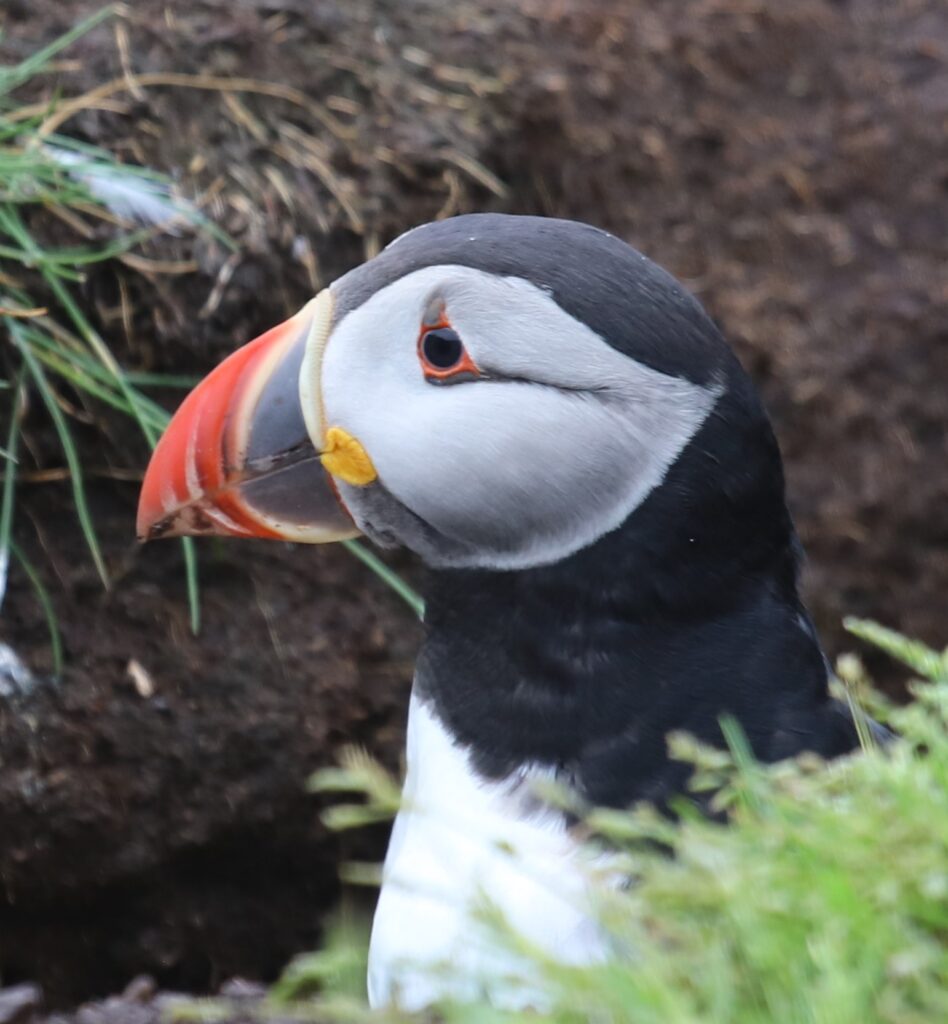
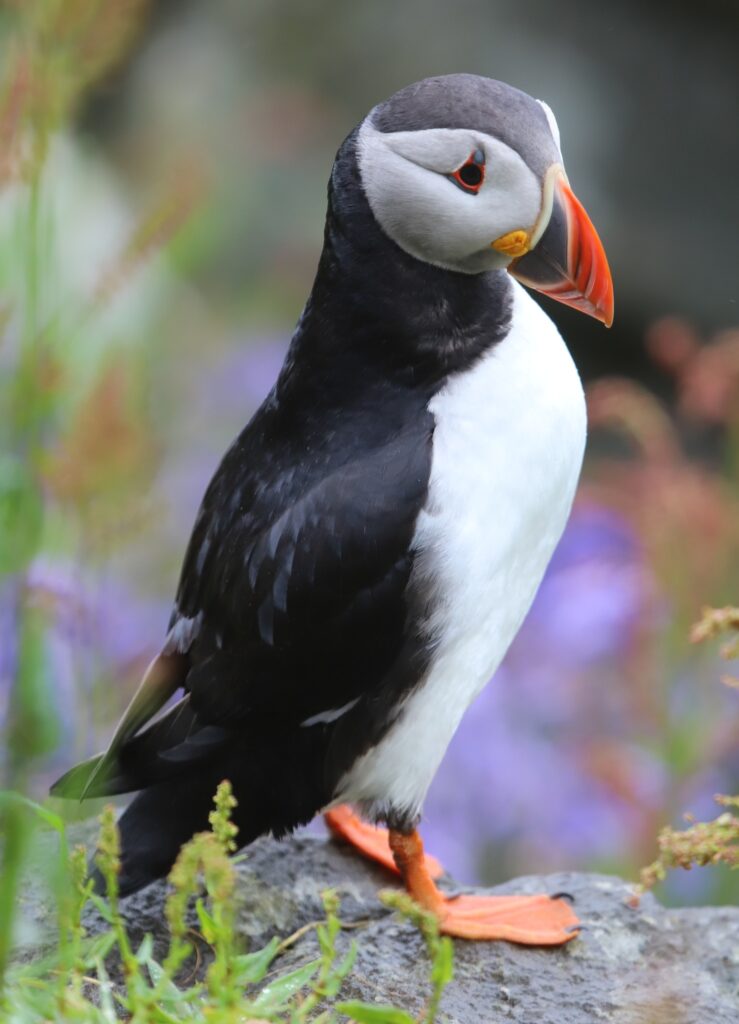
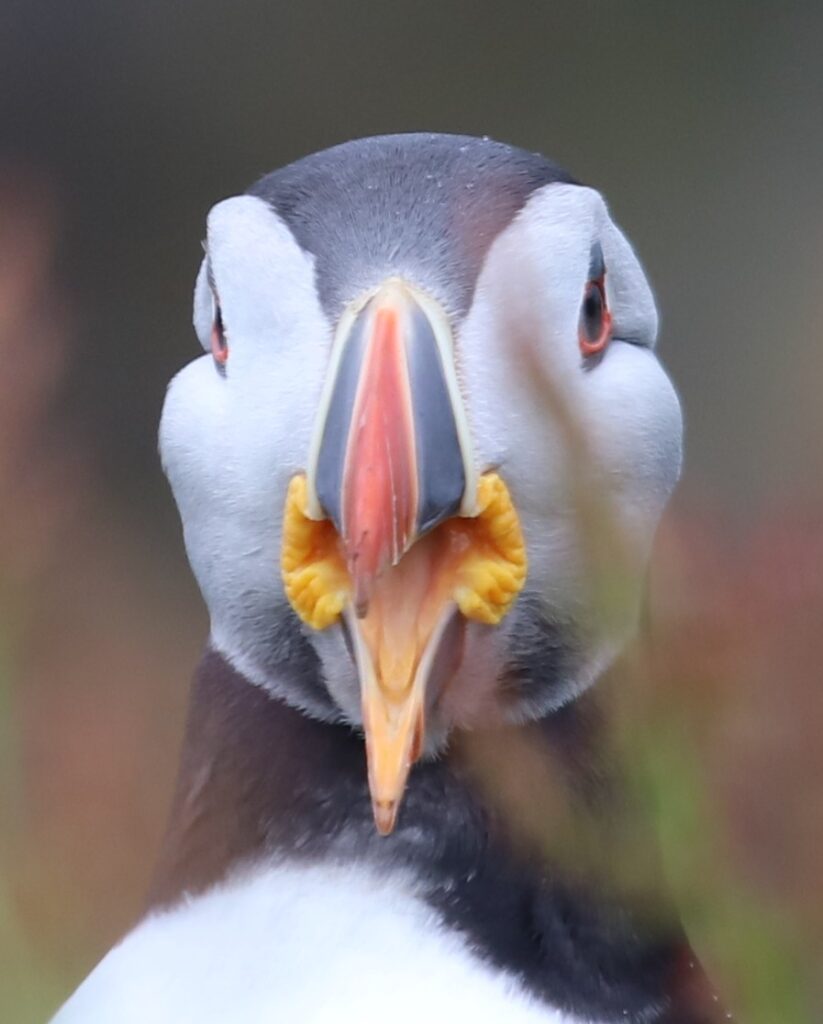
A local boat ferried guests ashore to Lunga, largest of the Treshnish Isles and one of the most accessible puffin colonies in Scotland. In May and June the clifftop turf is honeycombed with burrows, and puffins could be watched at close quarters carrying beakfuls of sand eels. Guillemot, razorbill and shag nested on the lower ledges.
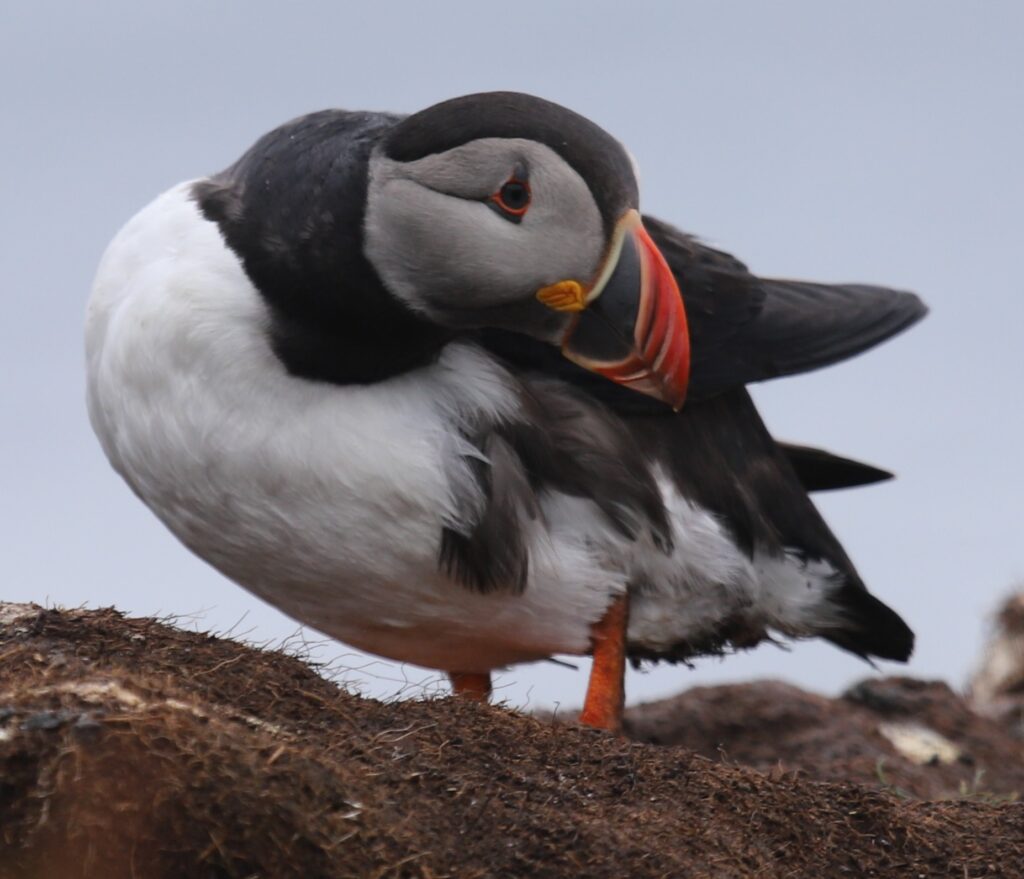
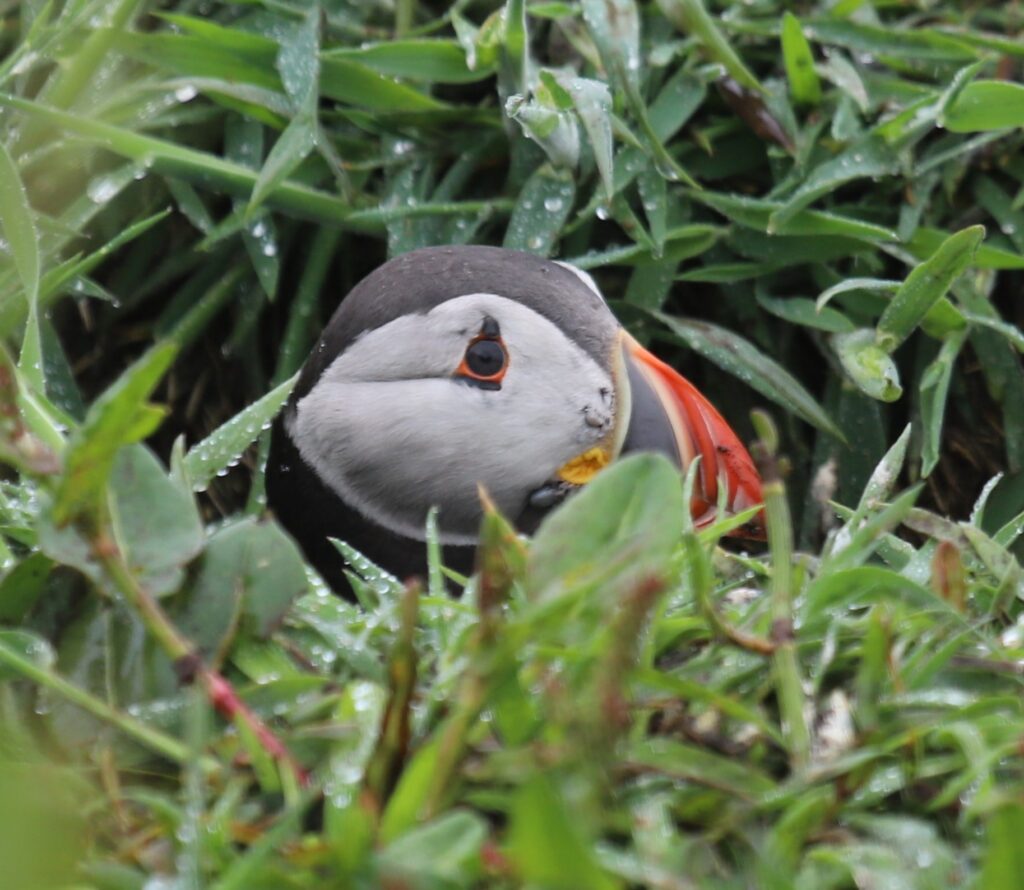
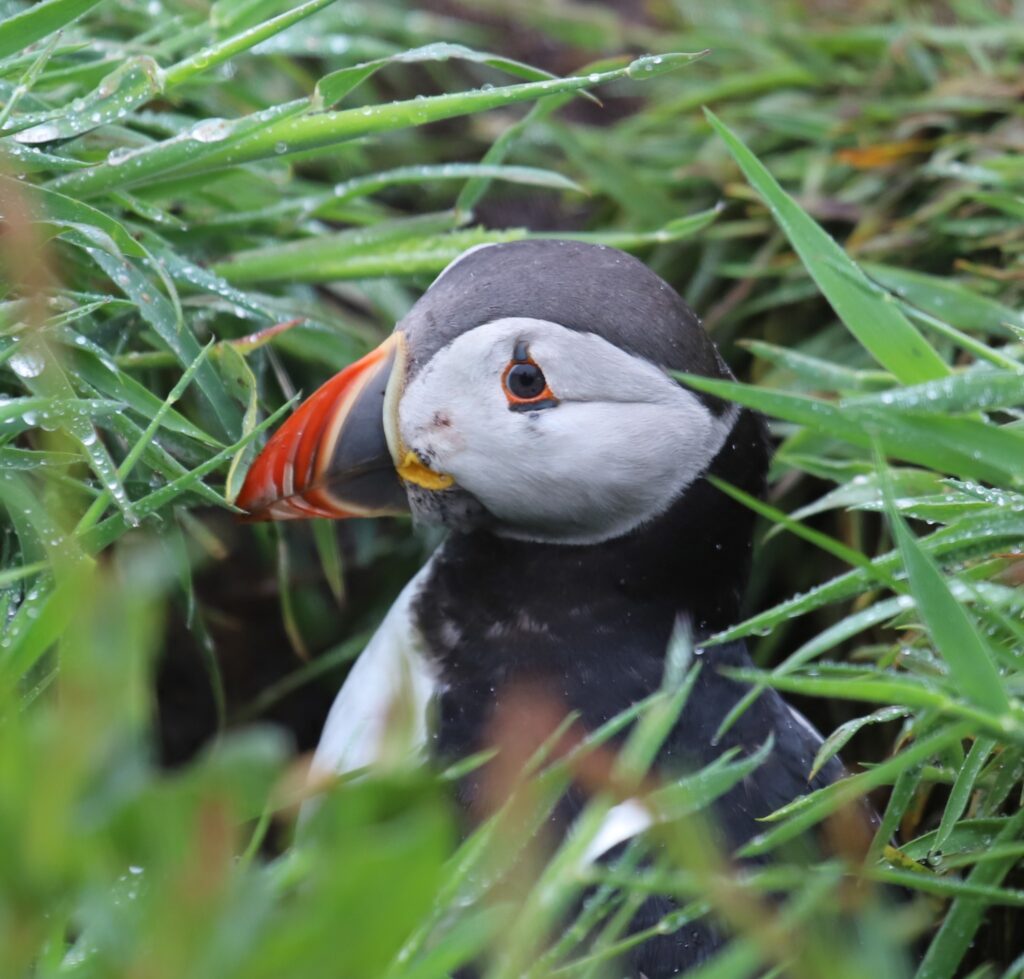
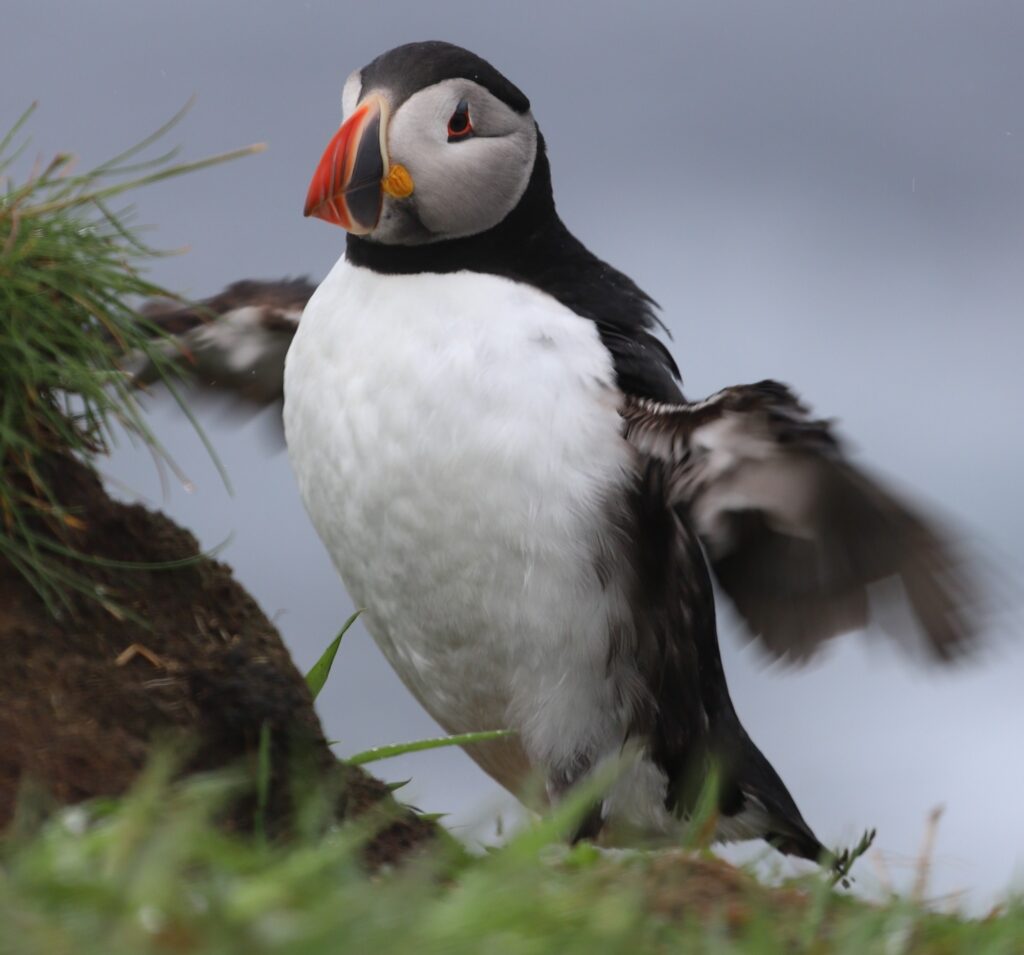
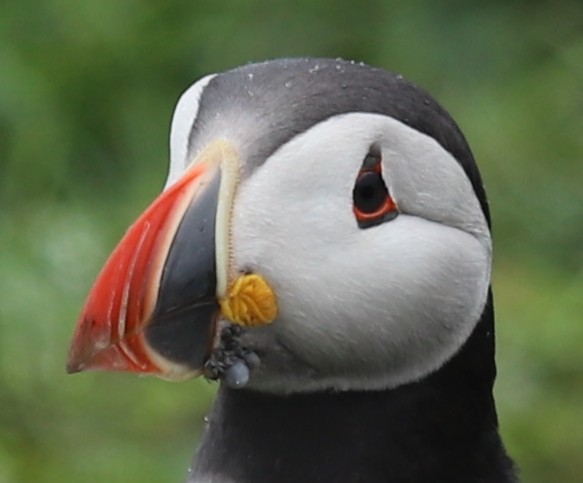
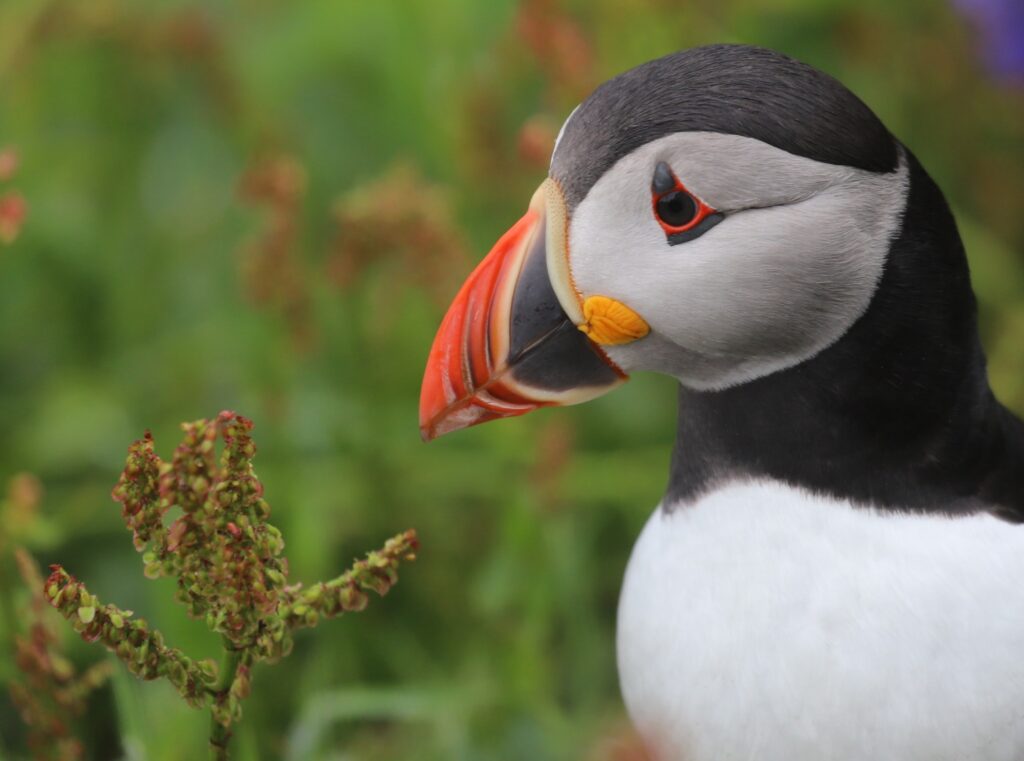
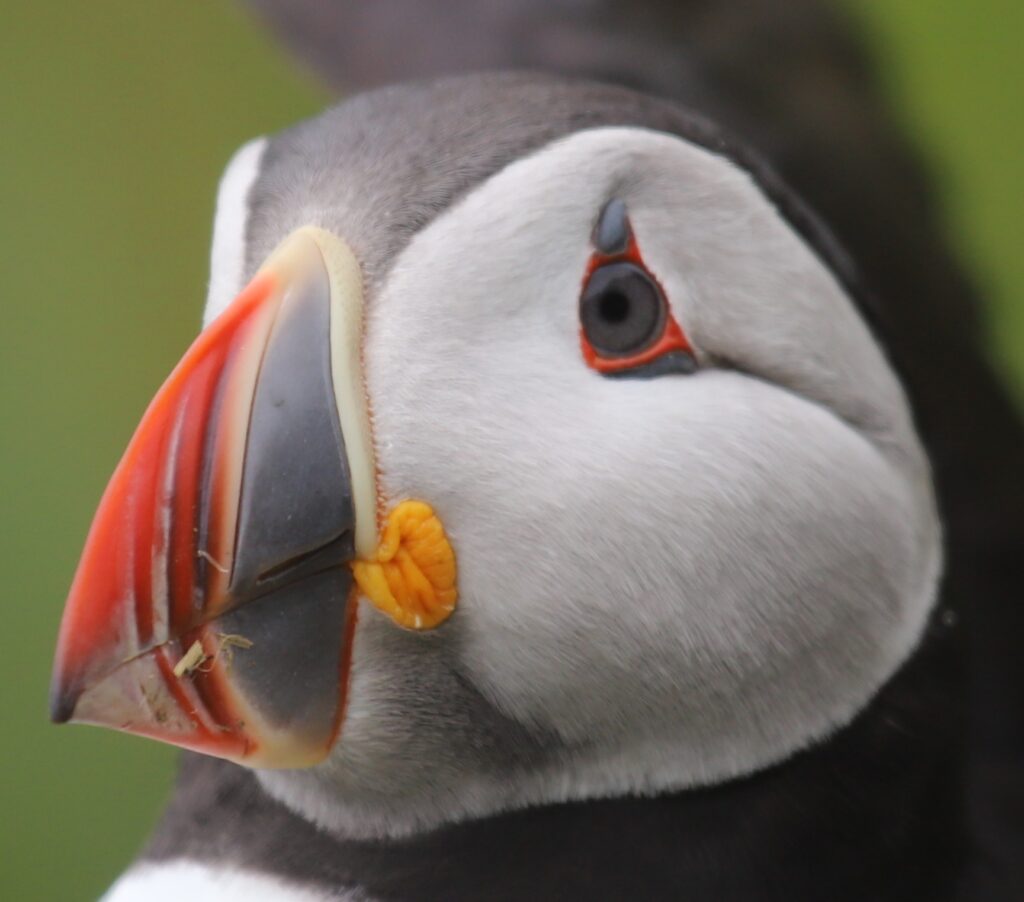
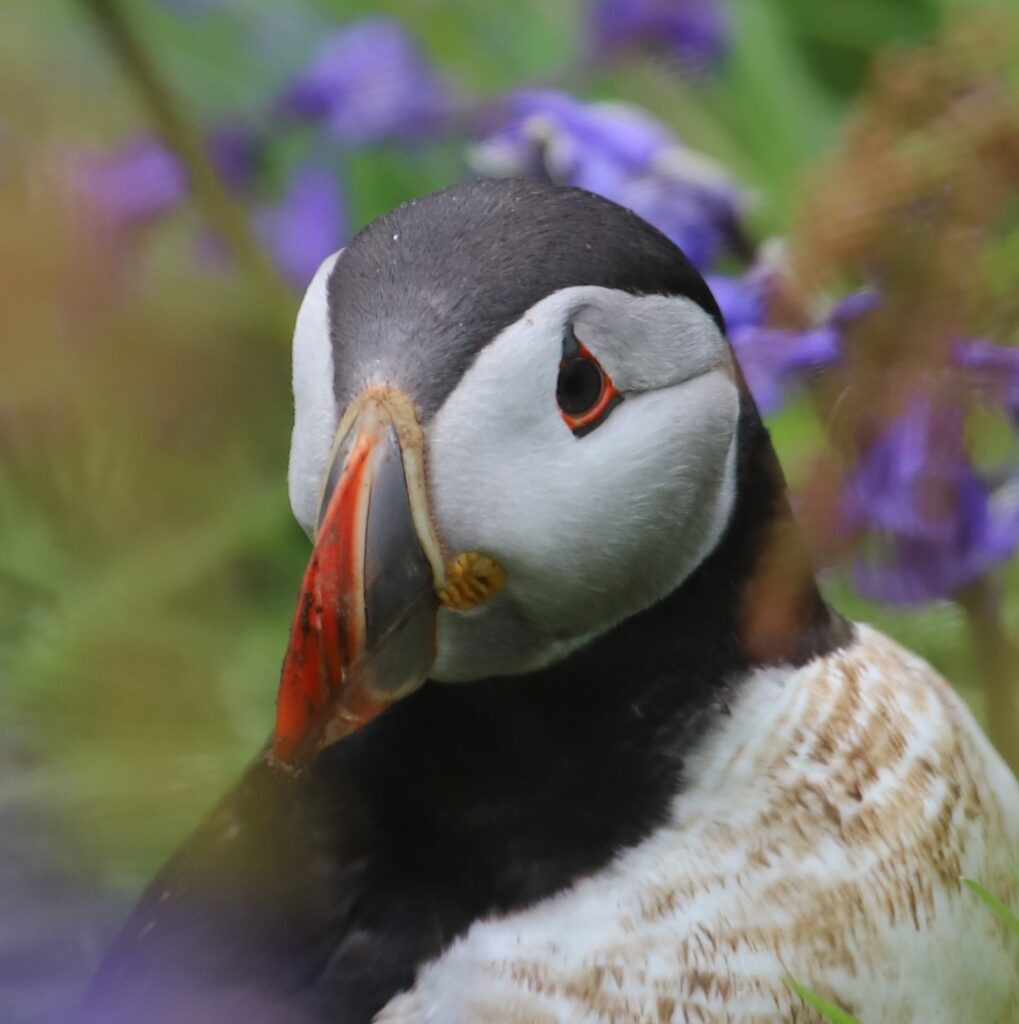
The afternoon was a long passage across the Sea of the Hebrides and through the Sound of Harris — an intricate, shallow maze of islands and tidal channels — on passage westward towards St Kilda.
⚓ Overnight: cruising towards St Kilda
Thursday 4th June
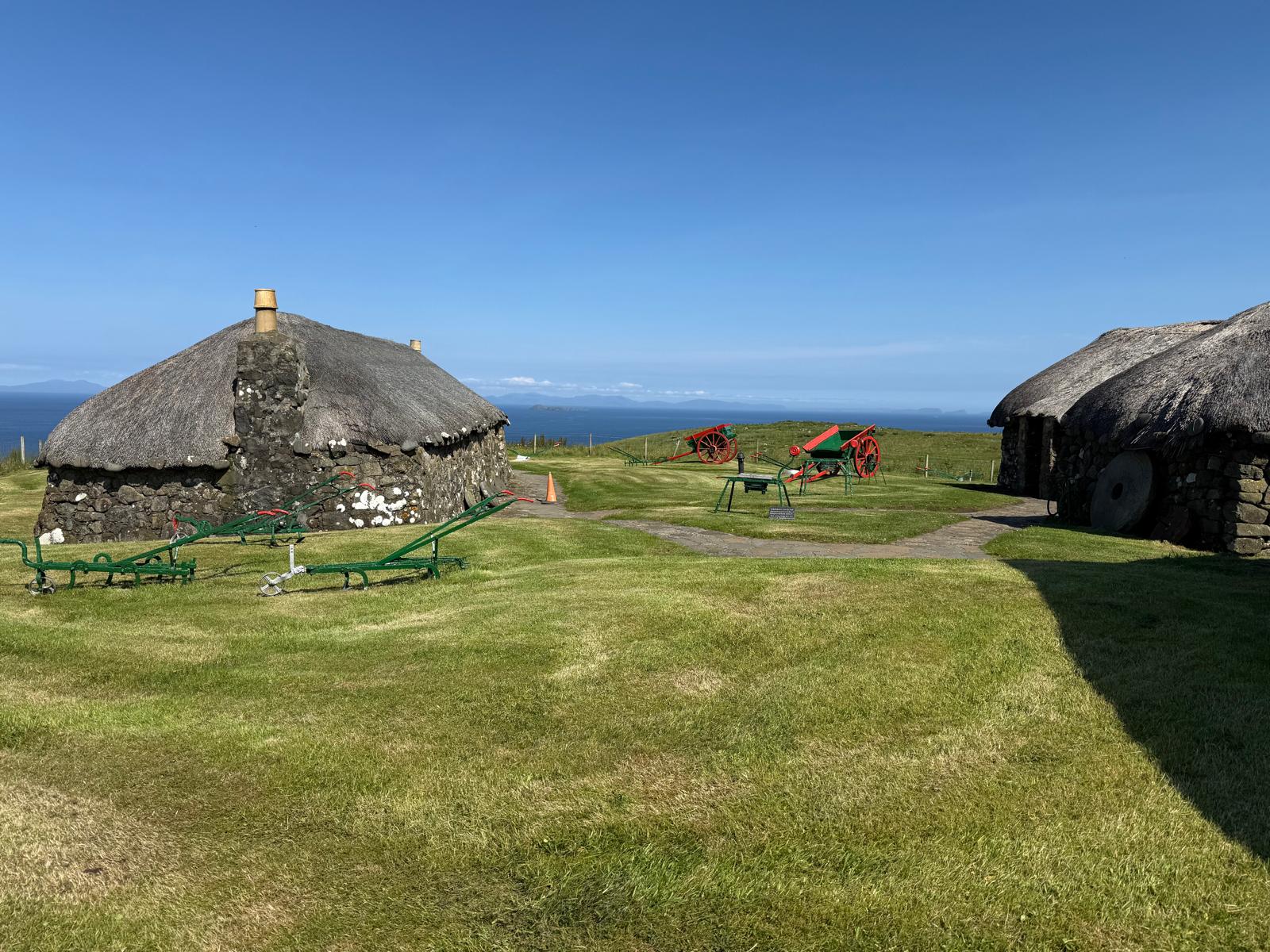
The ship arrived at Village Bay in the morning, and guests went ashore to walk among the ruins of the Street — the row of blackhouses abandoned when the last residents were evacuated in 1930. At 1,400 km from the nearest continental landmass, St Kilda feels genuinely remote.
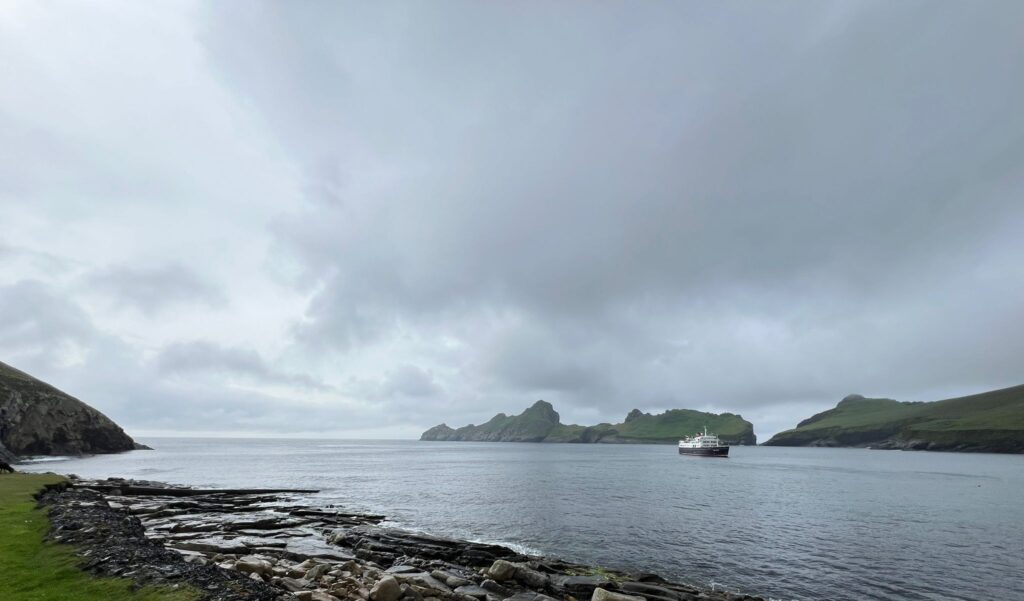
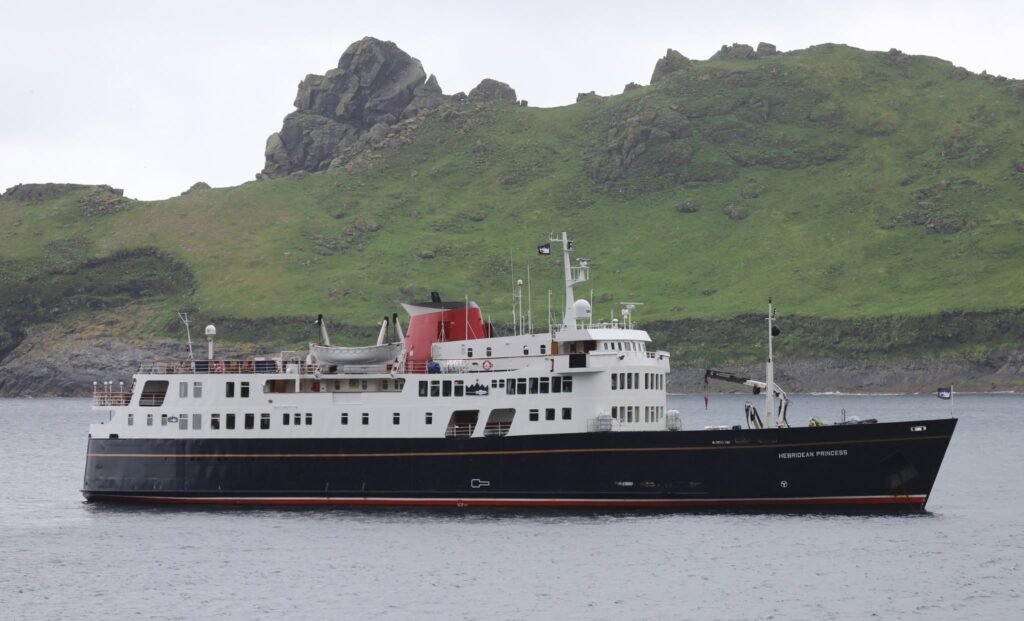
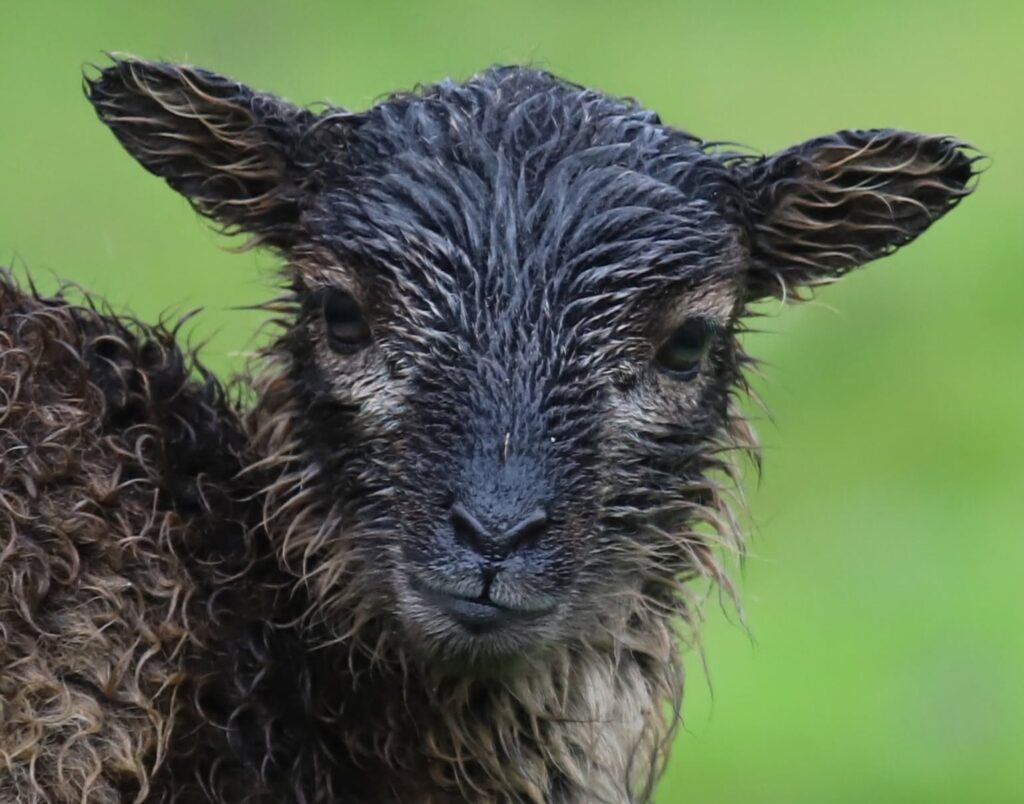
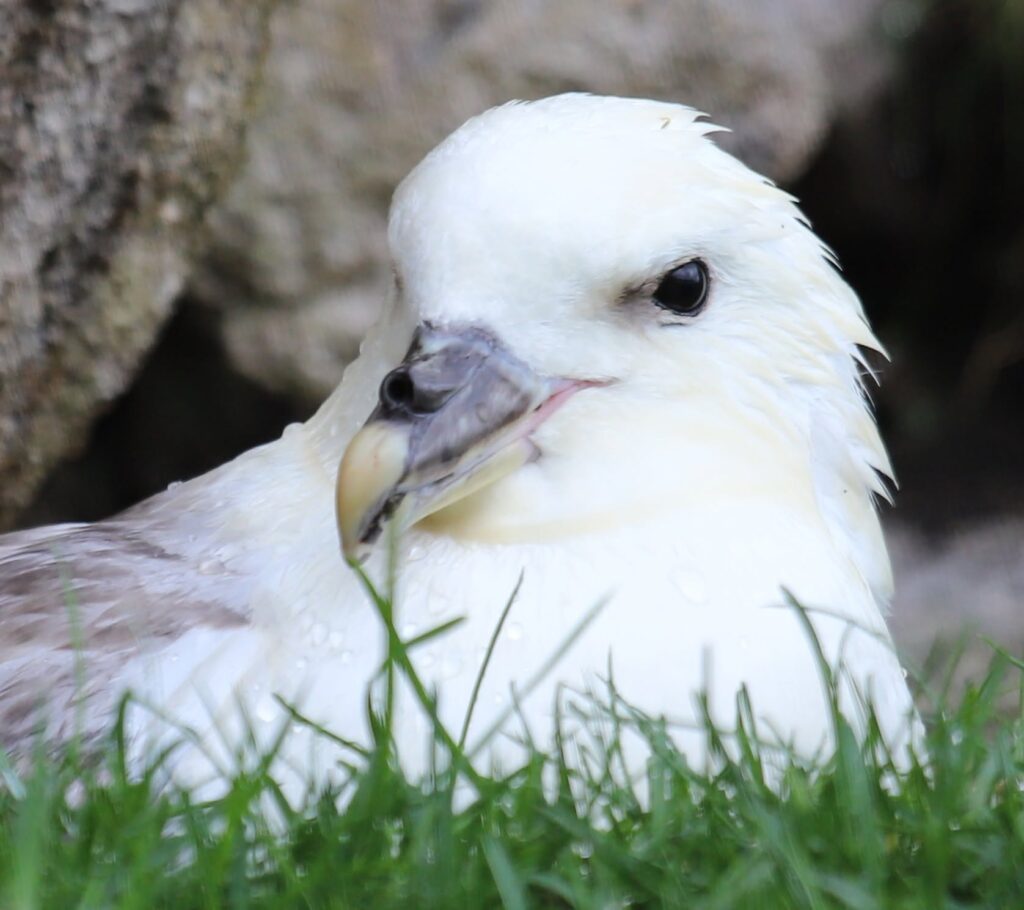
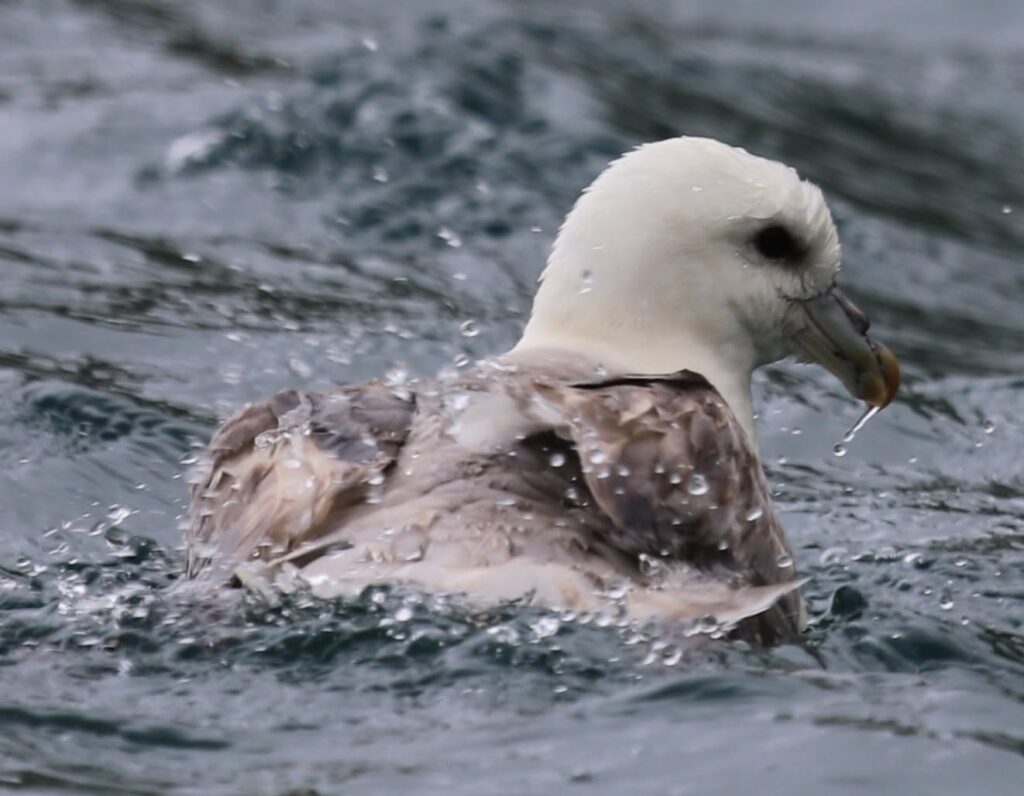
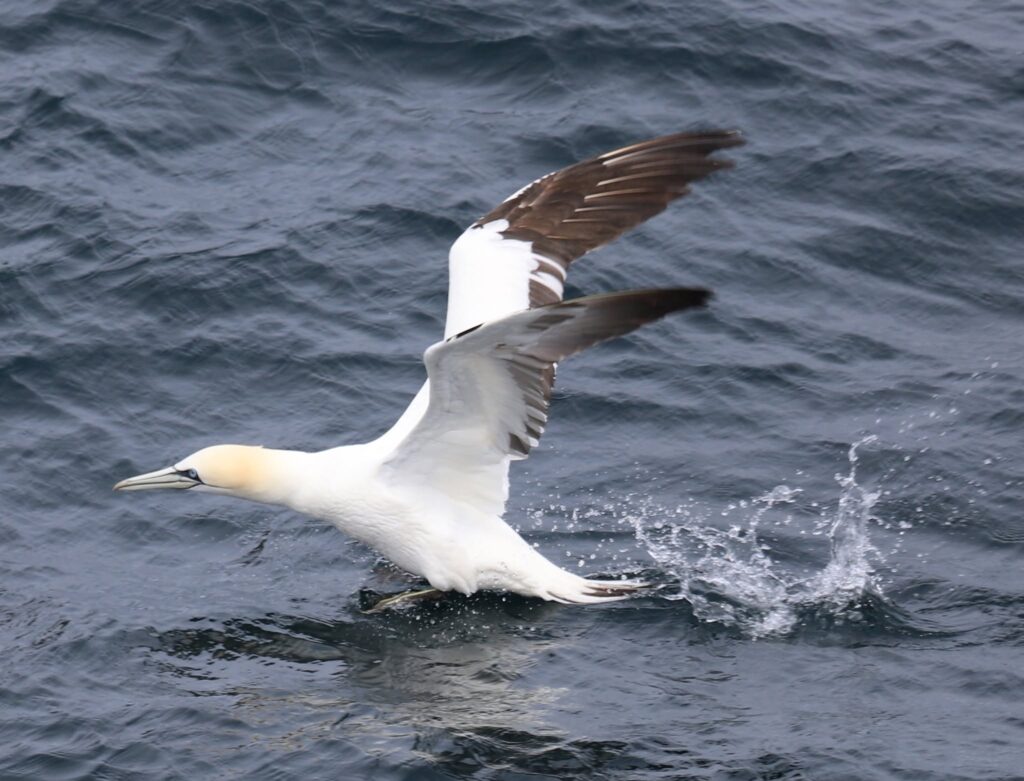
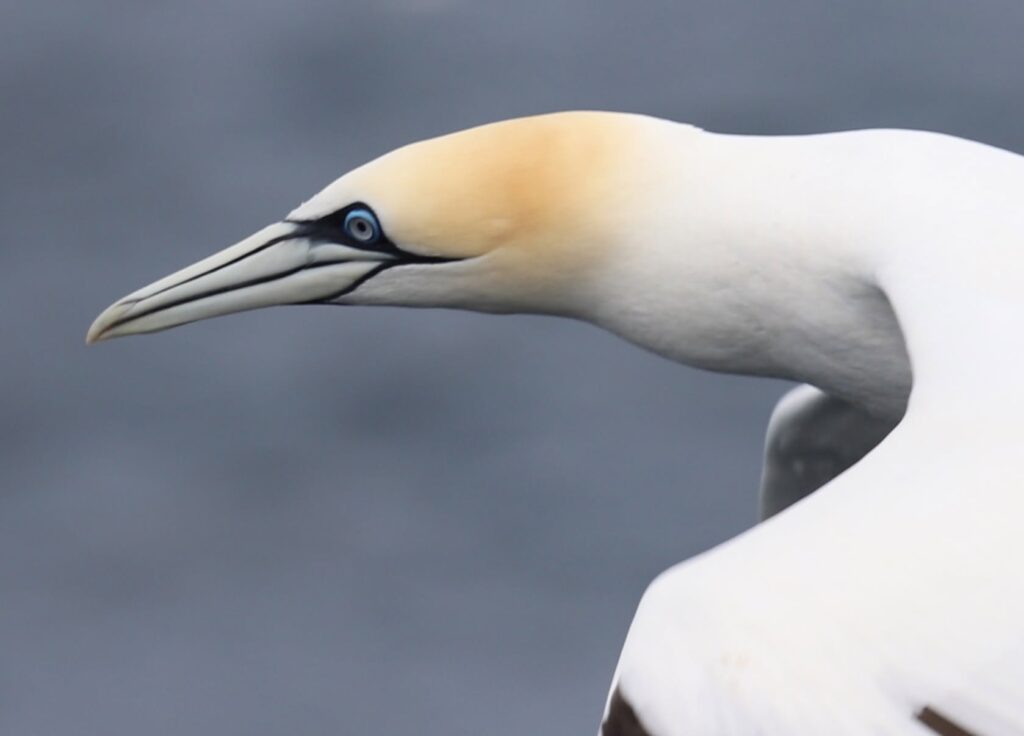
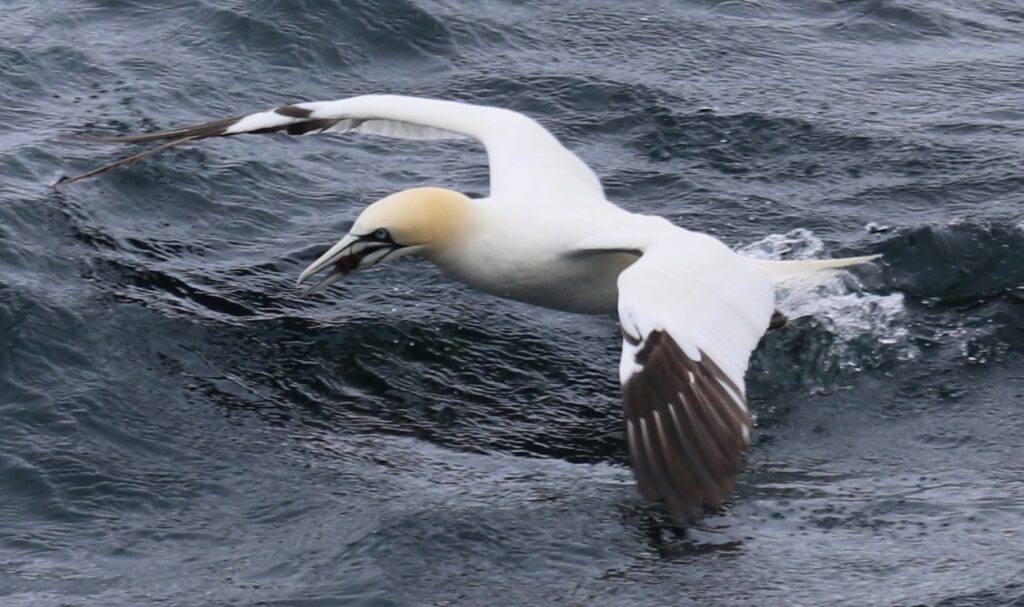
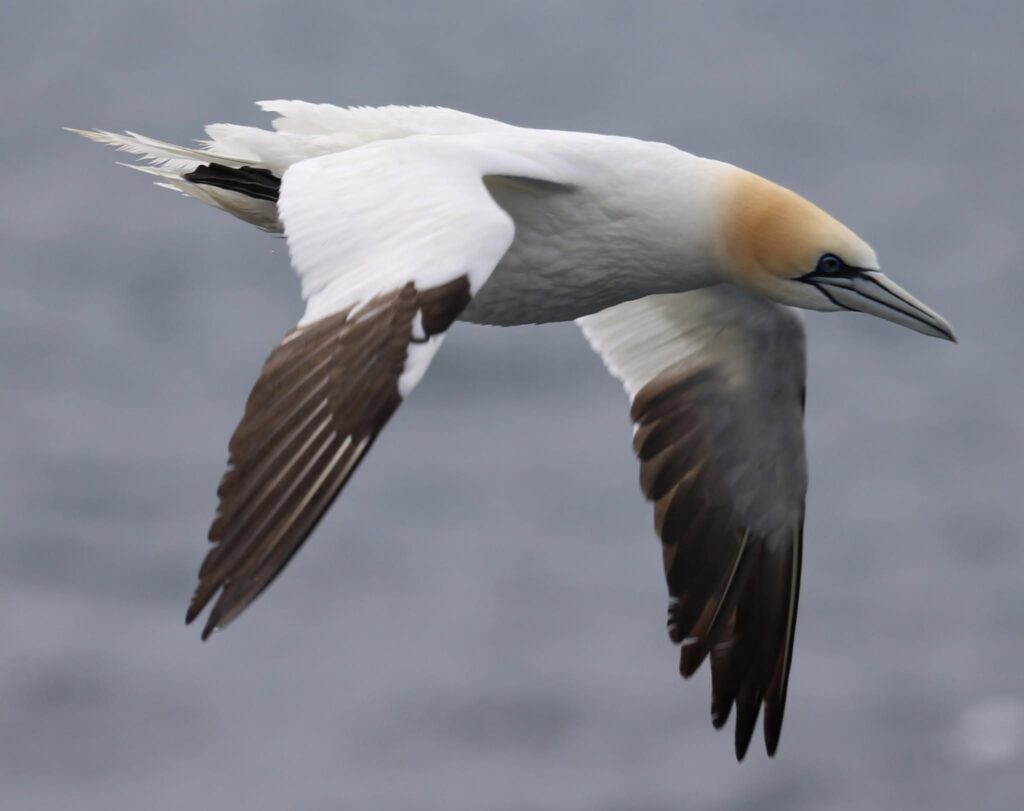
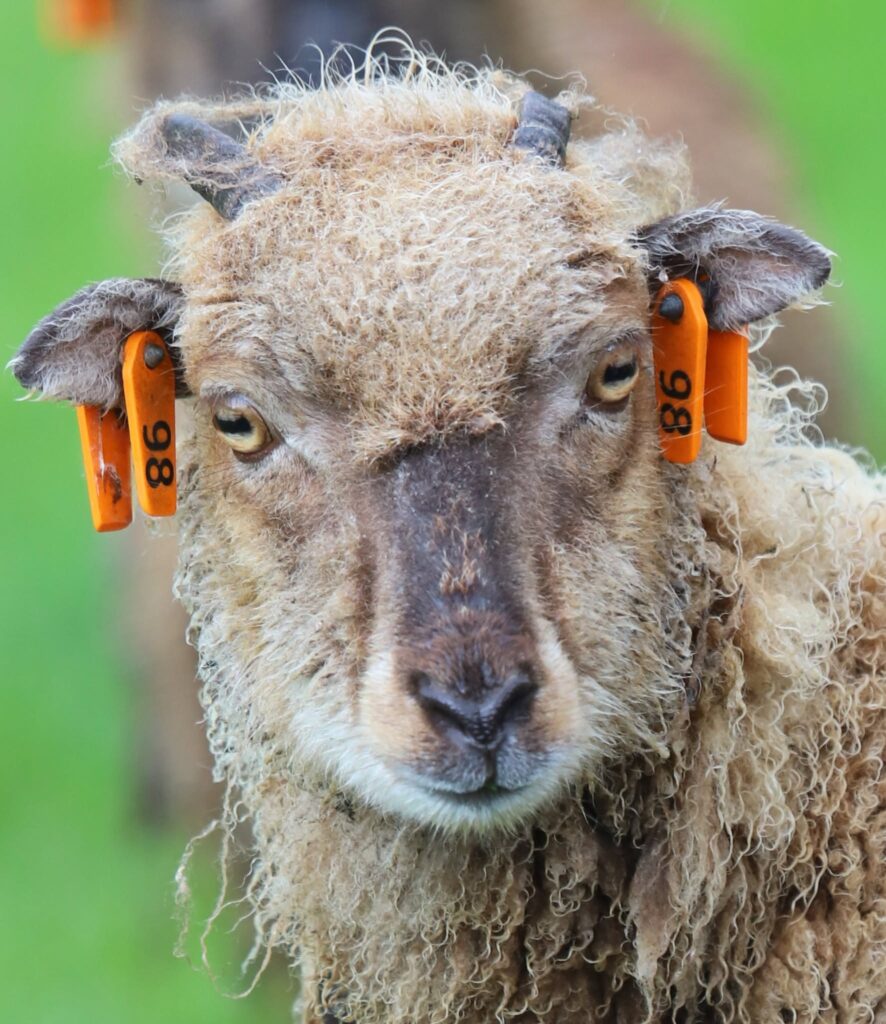
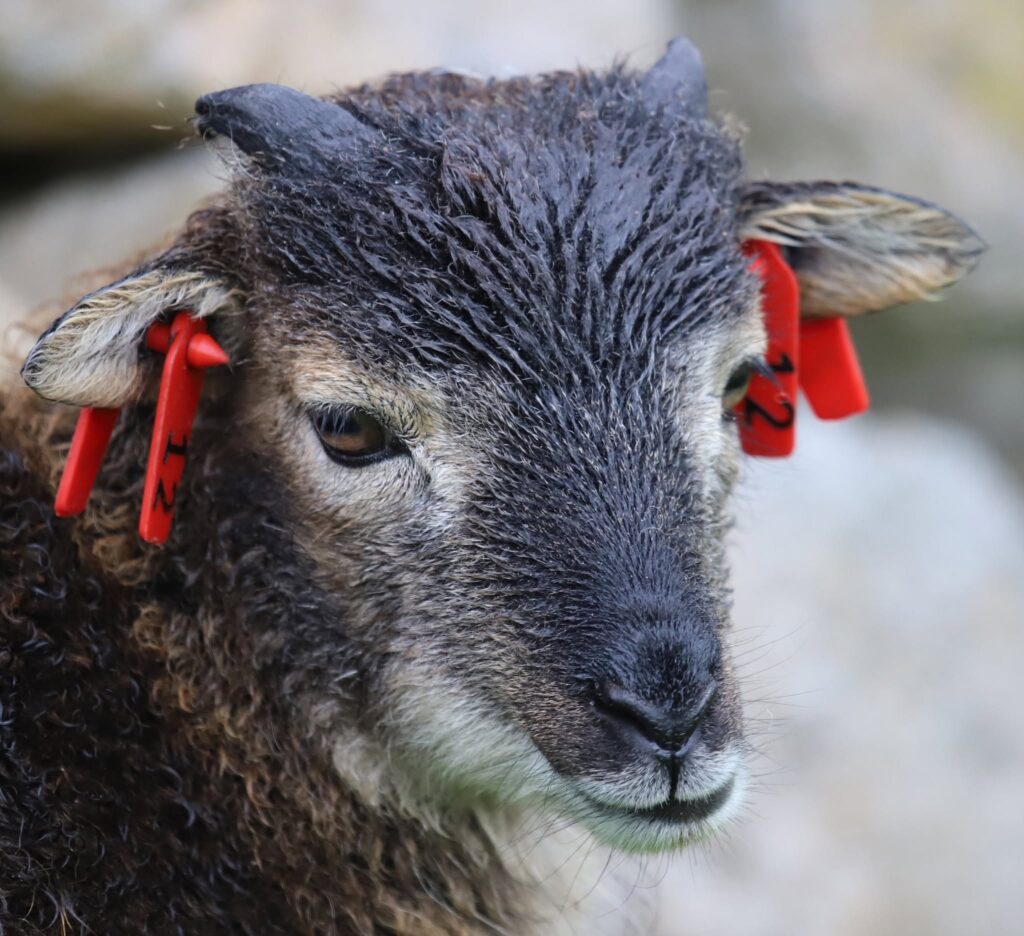
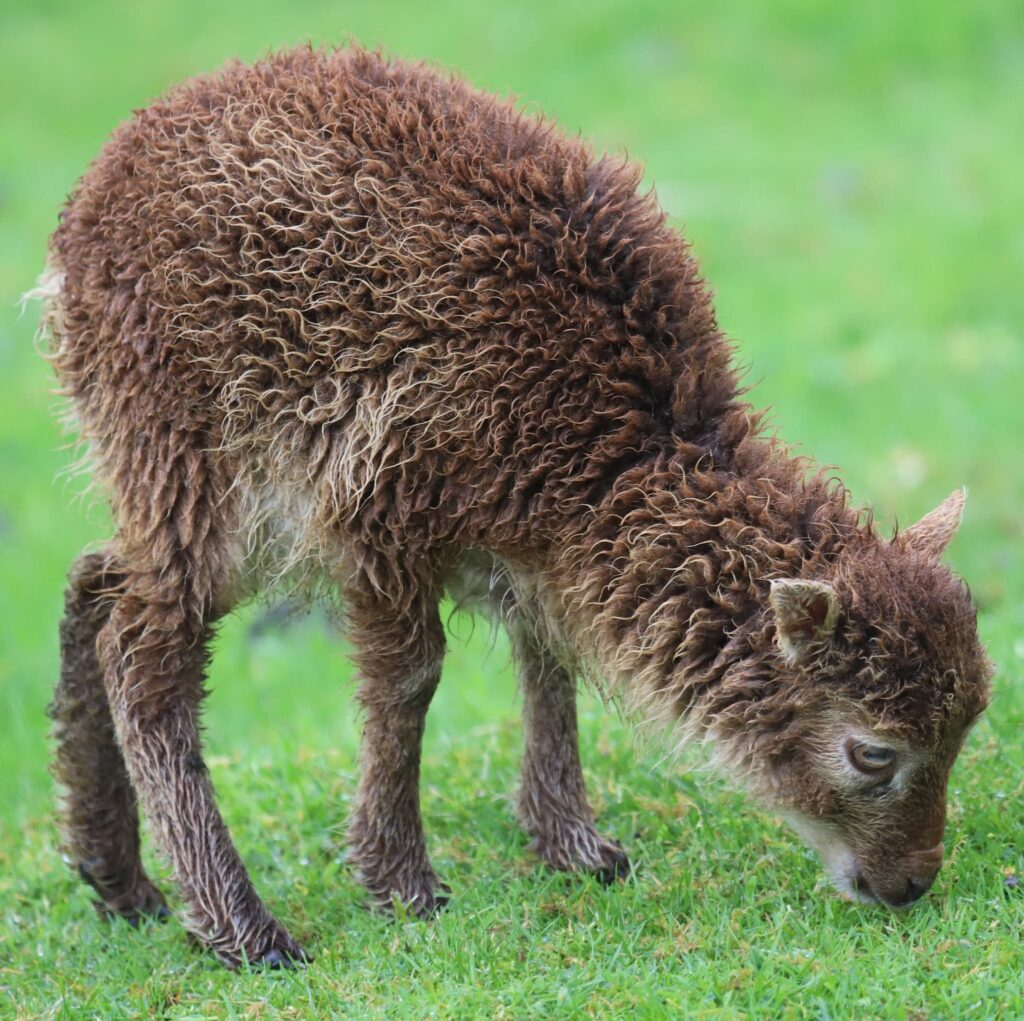
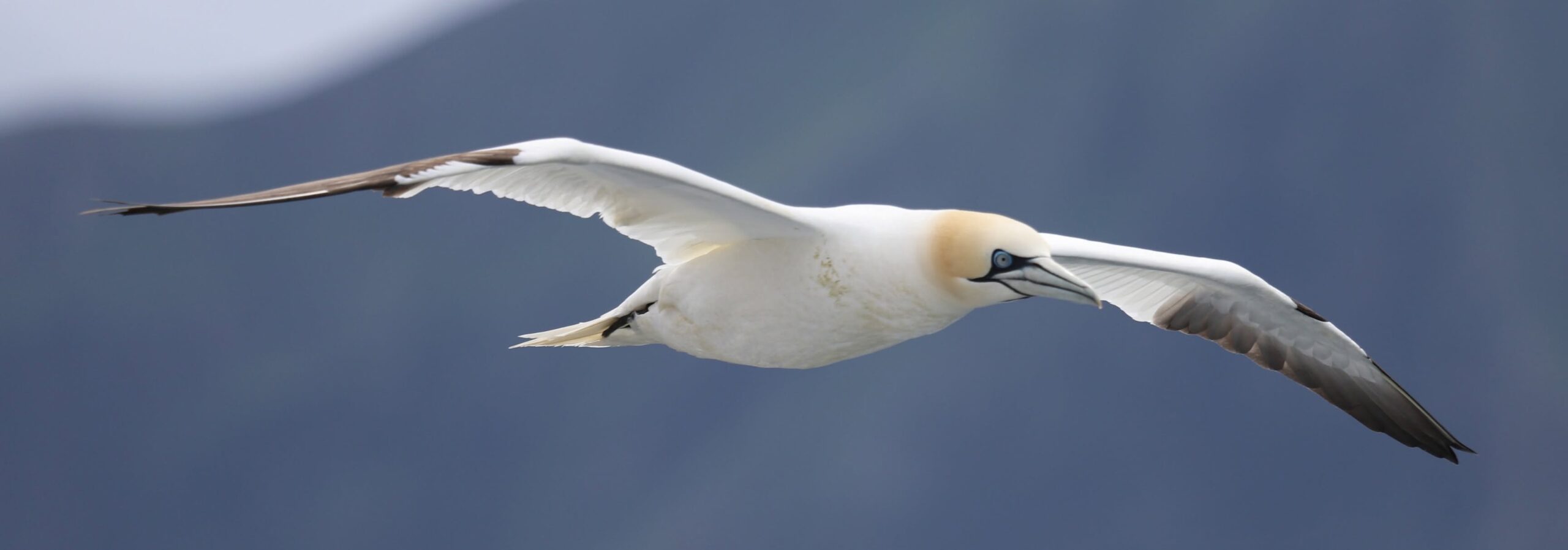
On departure, the ship circled Stac Lee, Stac an Armin and Boreray — three sea stacks that together hold the largest gannet colony in the world, with over 60,000 pairs stacked on every available ledge and the air thick with birds.
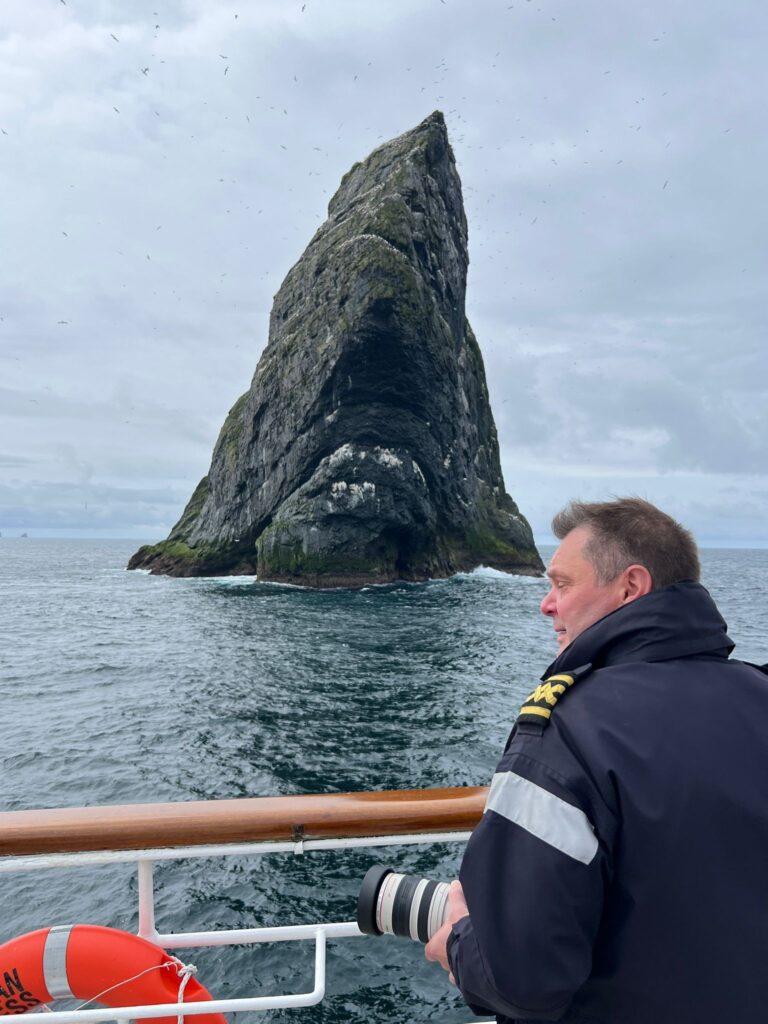
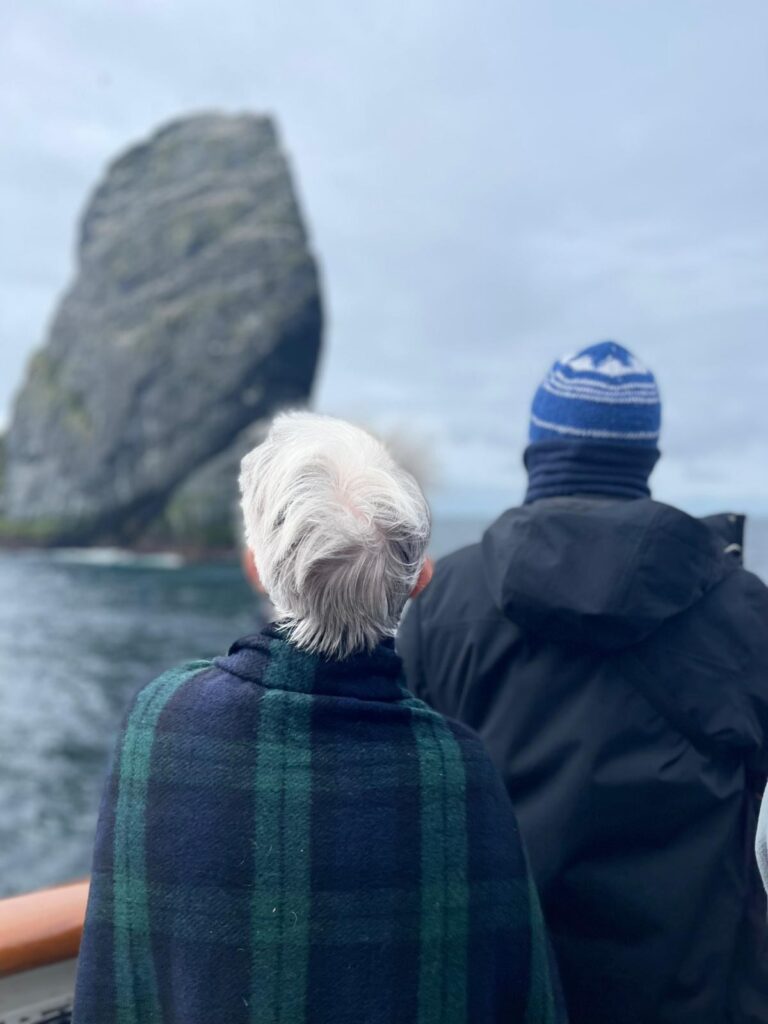
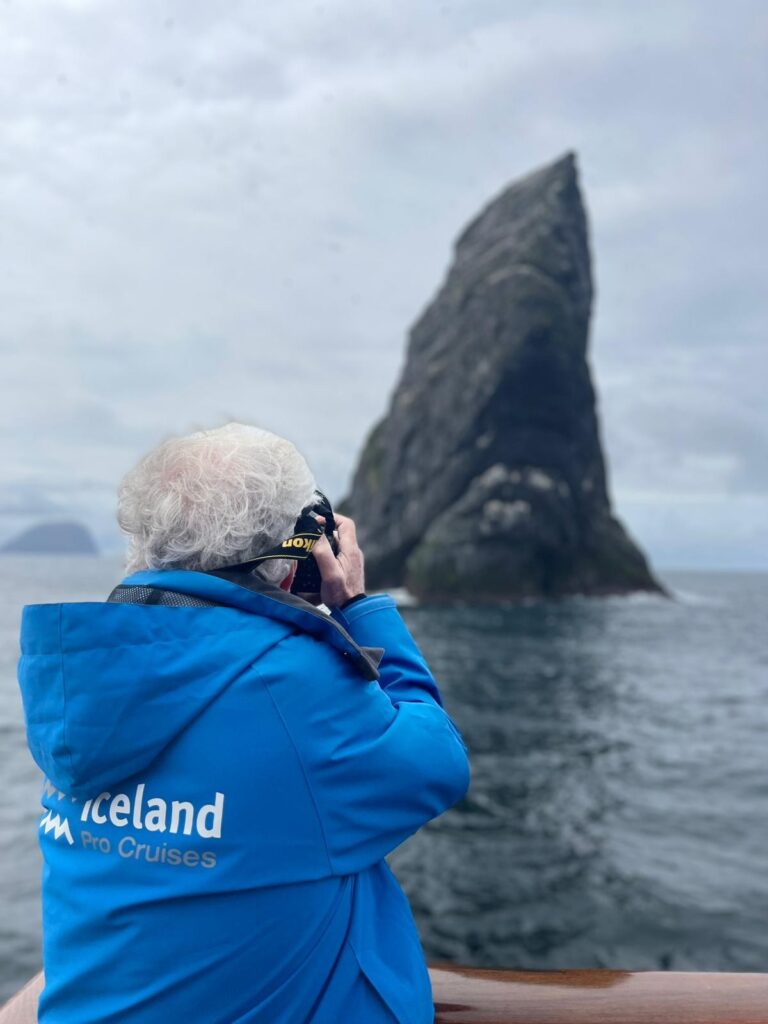
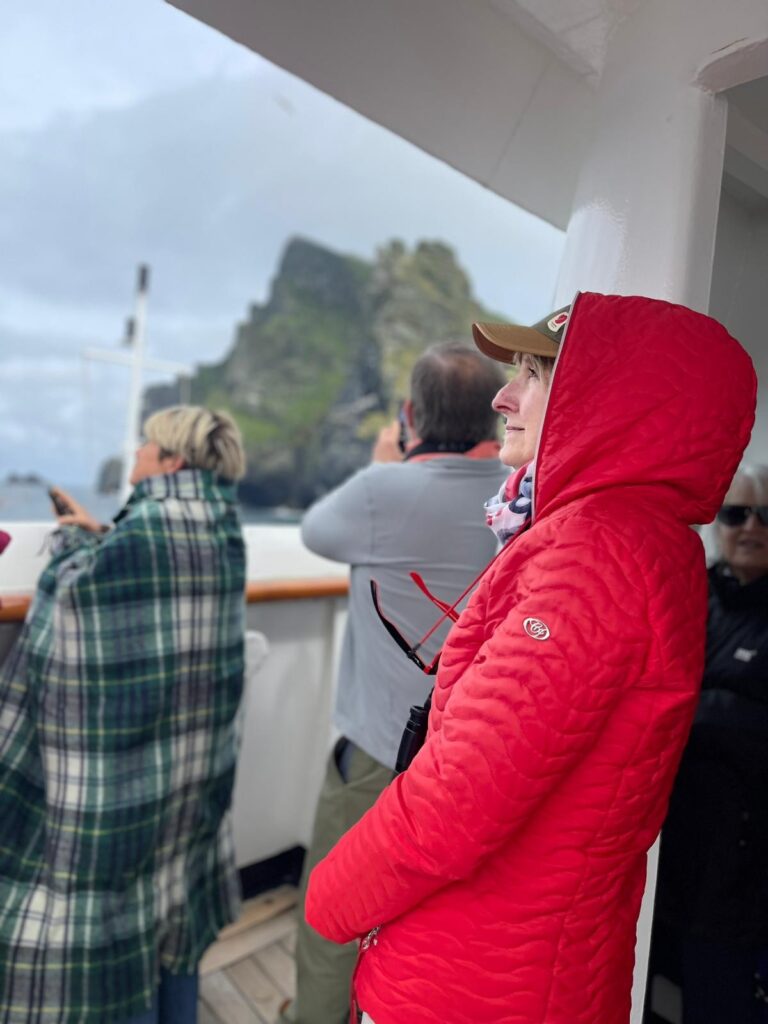
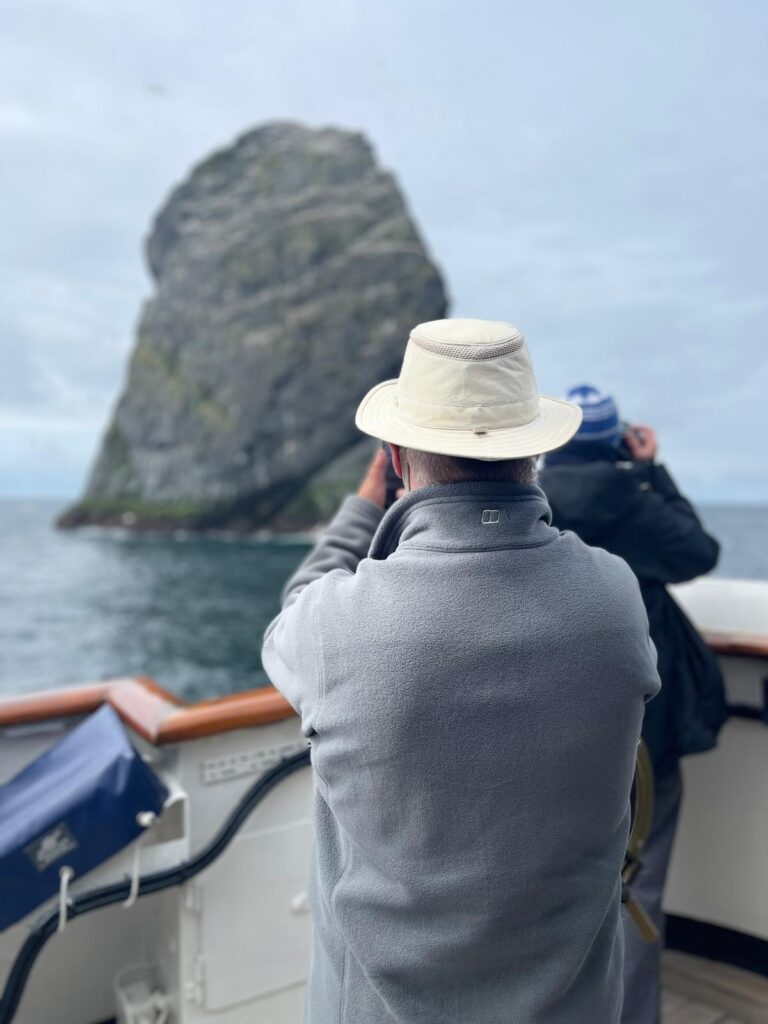
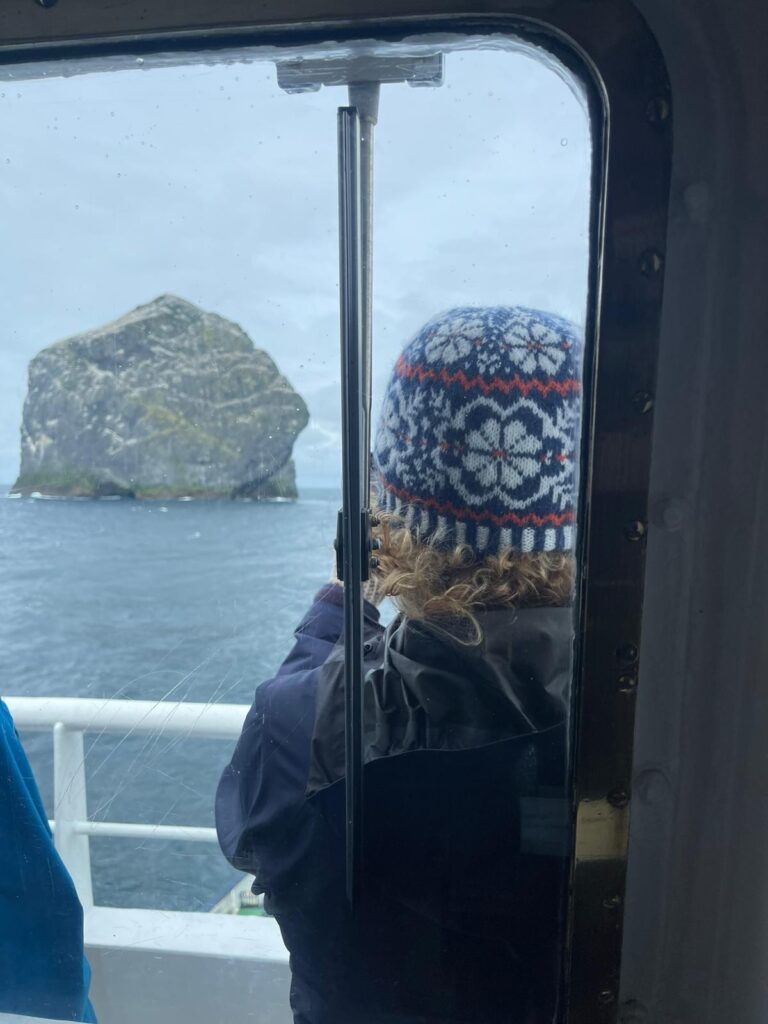
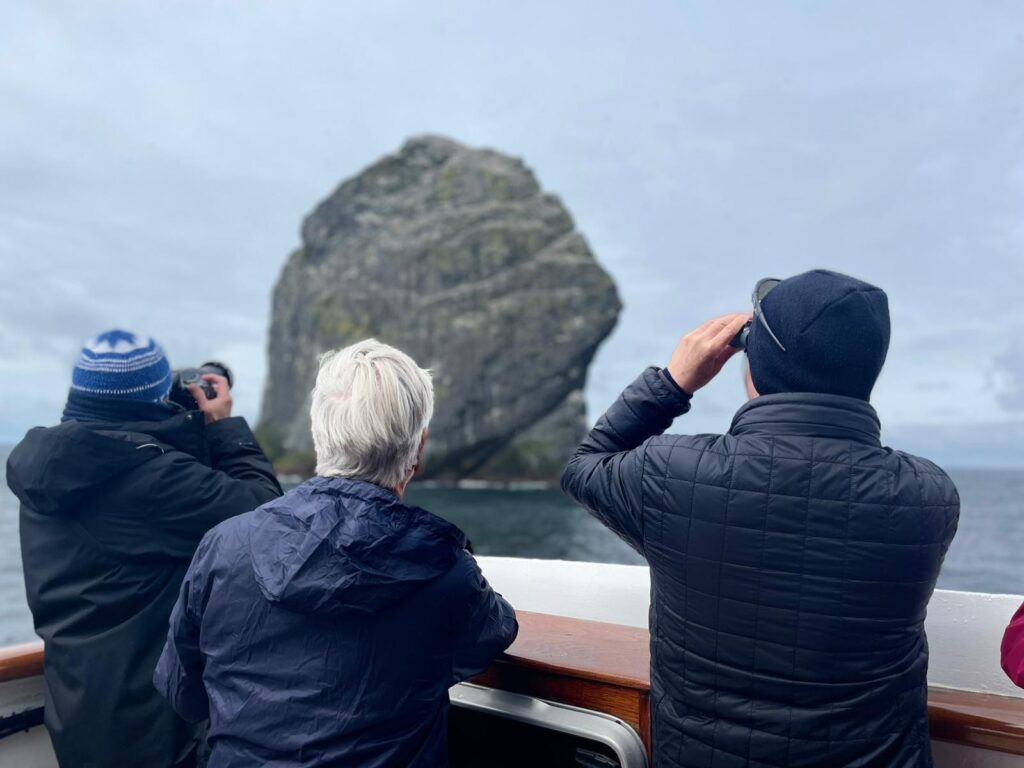
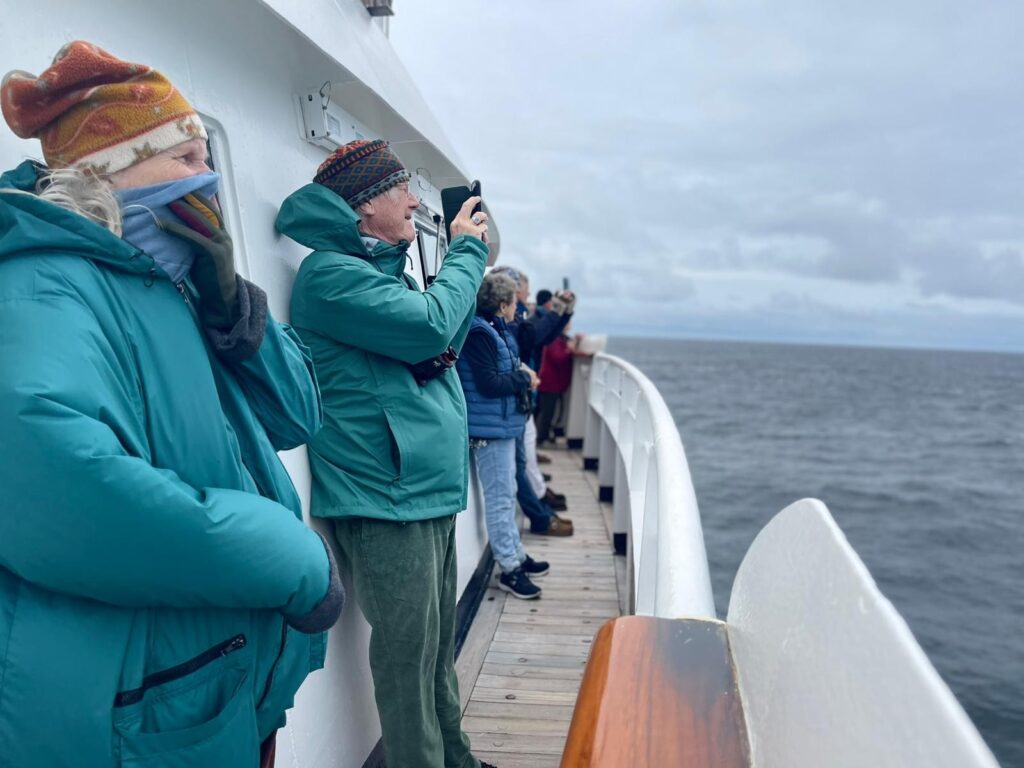
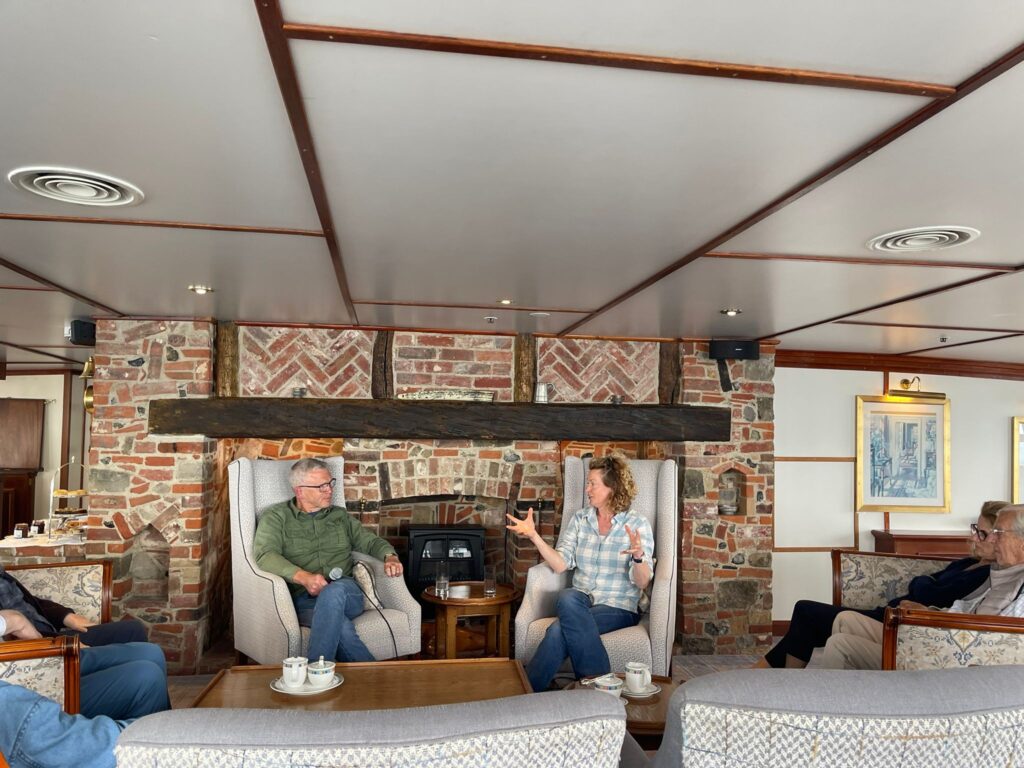
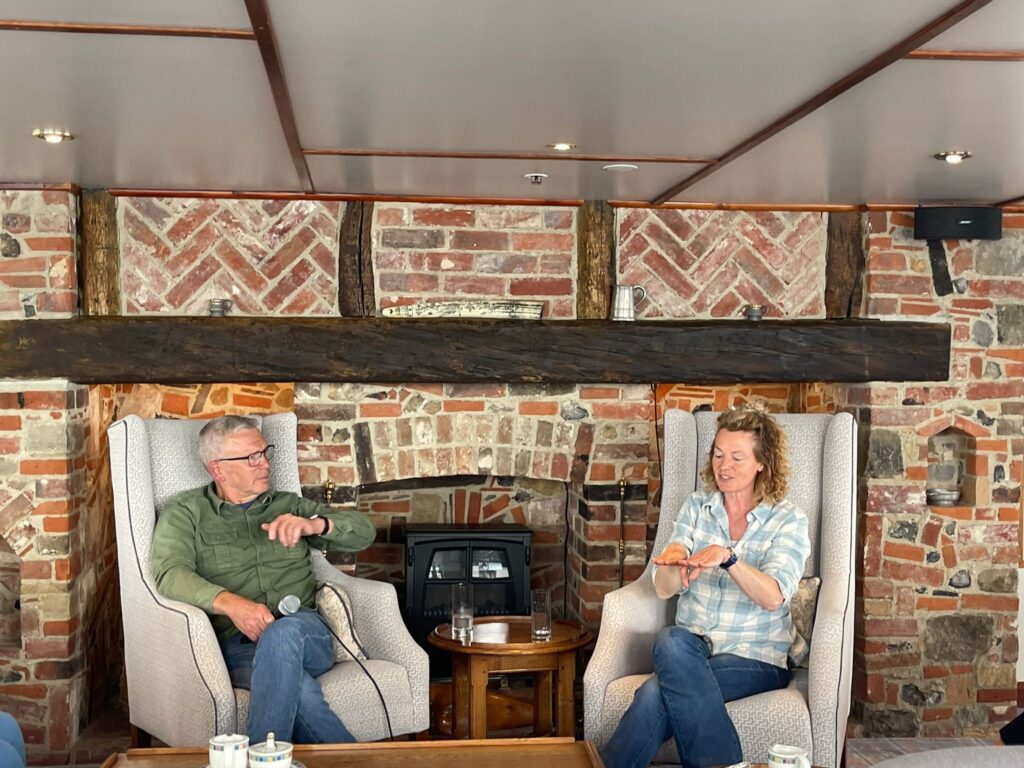
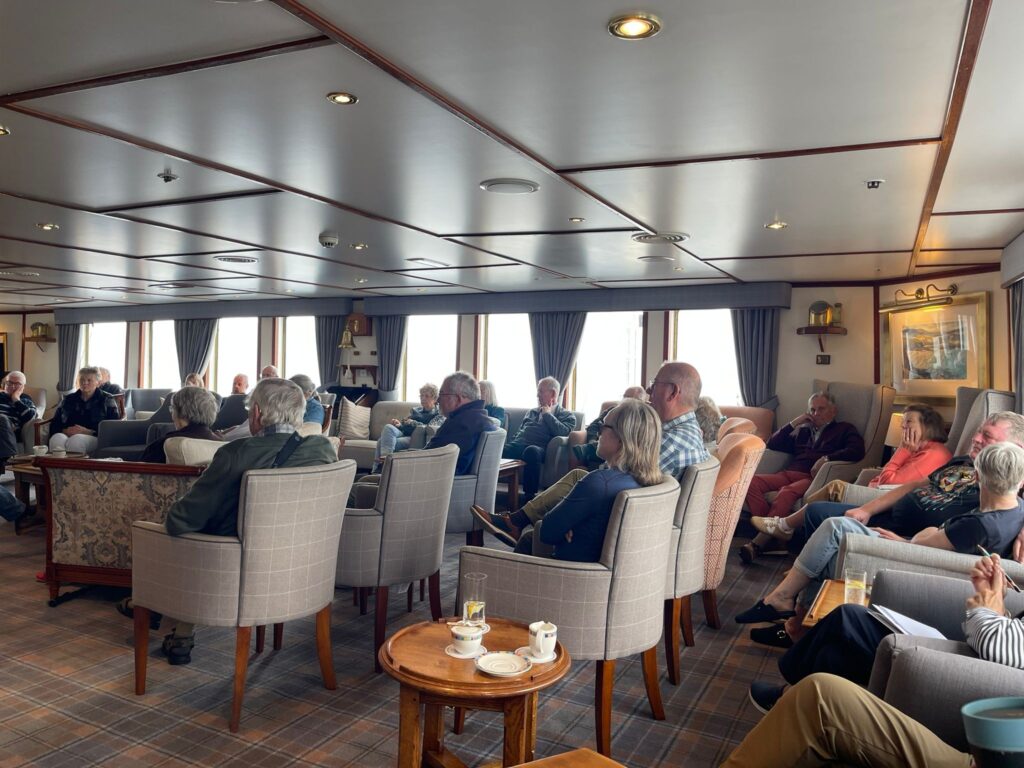
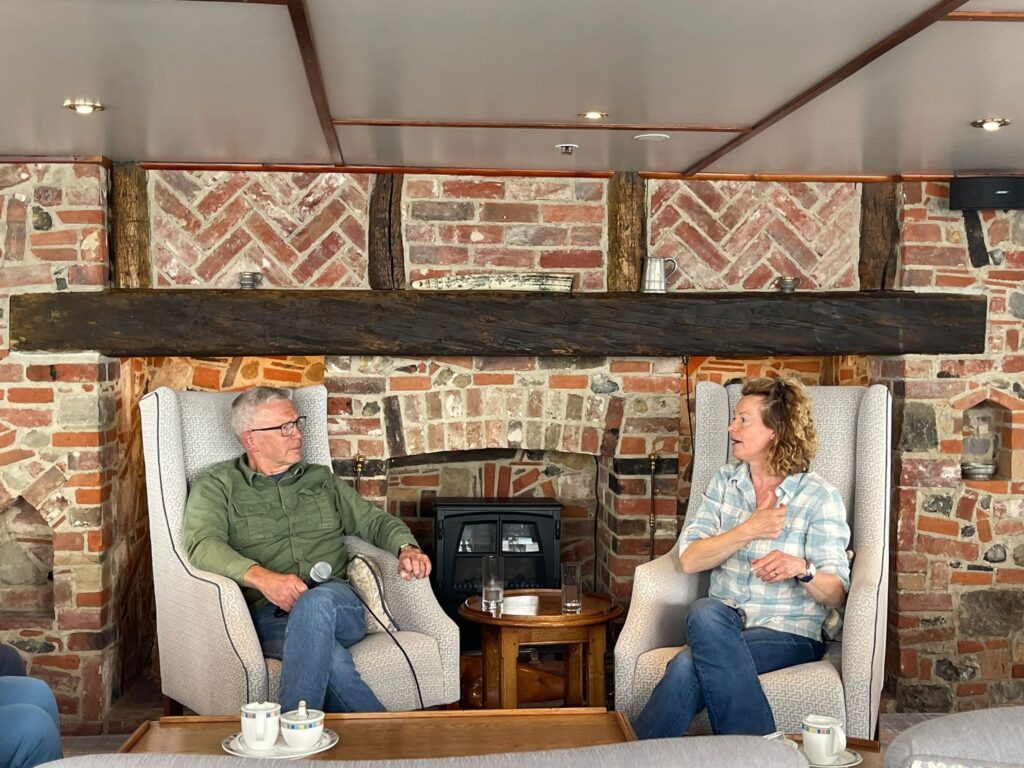
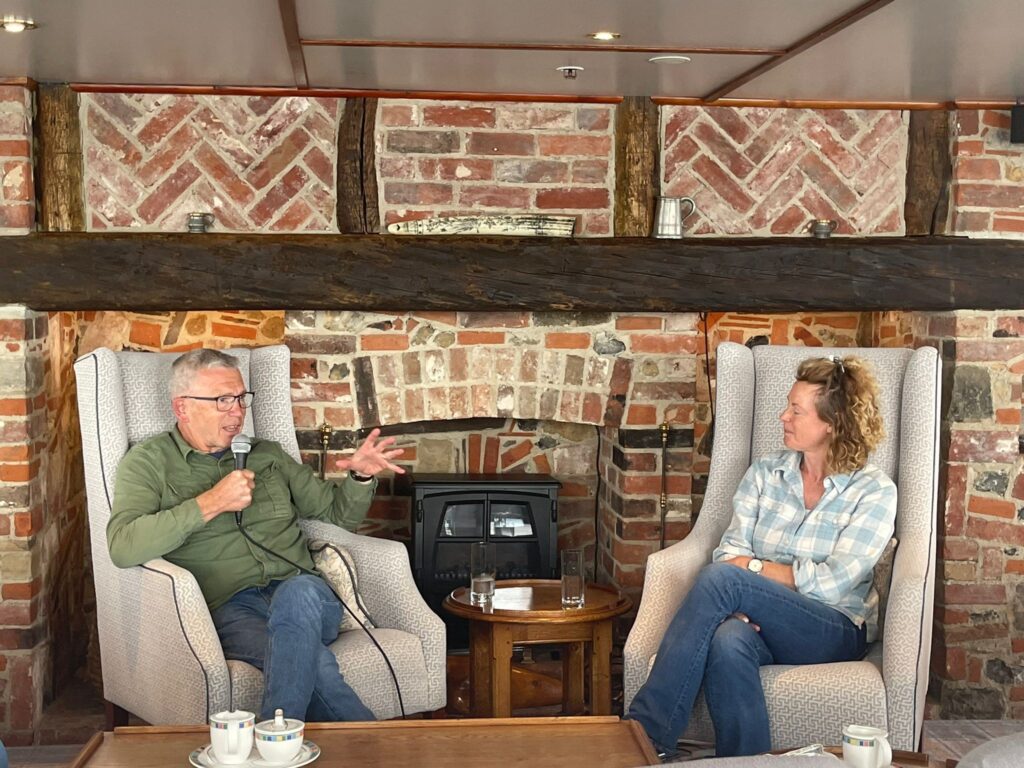
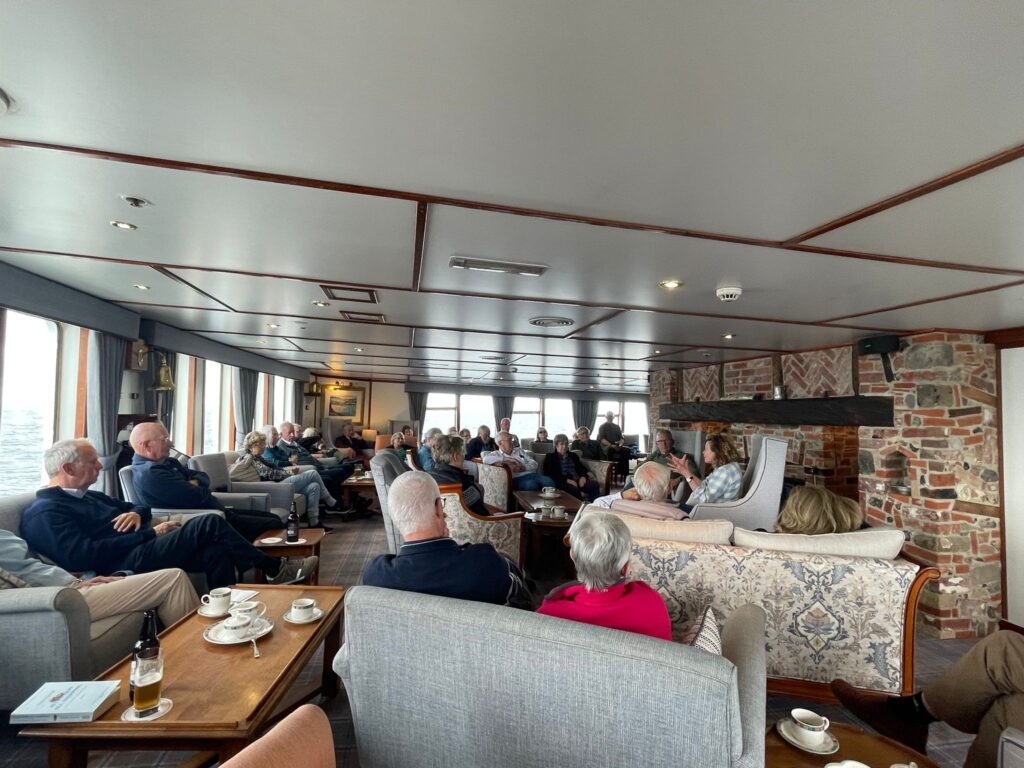
The afternoon was a long Atlantic passage eastwards towards Lewis, arriving and berthing alongside in Stornoway late in the evening. During the afternoon guest speaker Kate Humble and wildlife guide David Sexton gave a ‘fireside chat’ style lecture in the Tiree lounge.
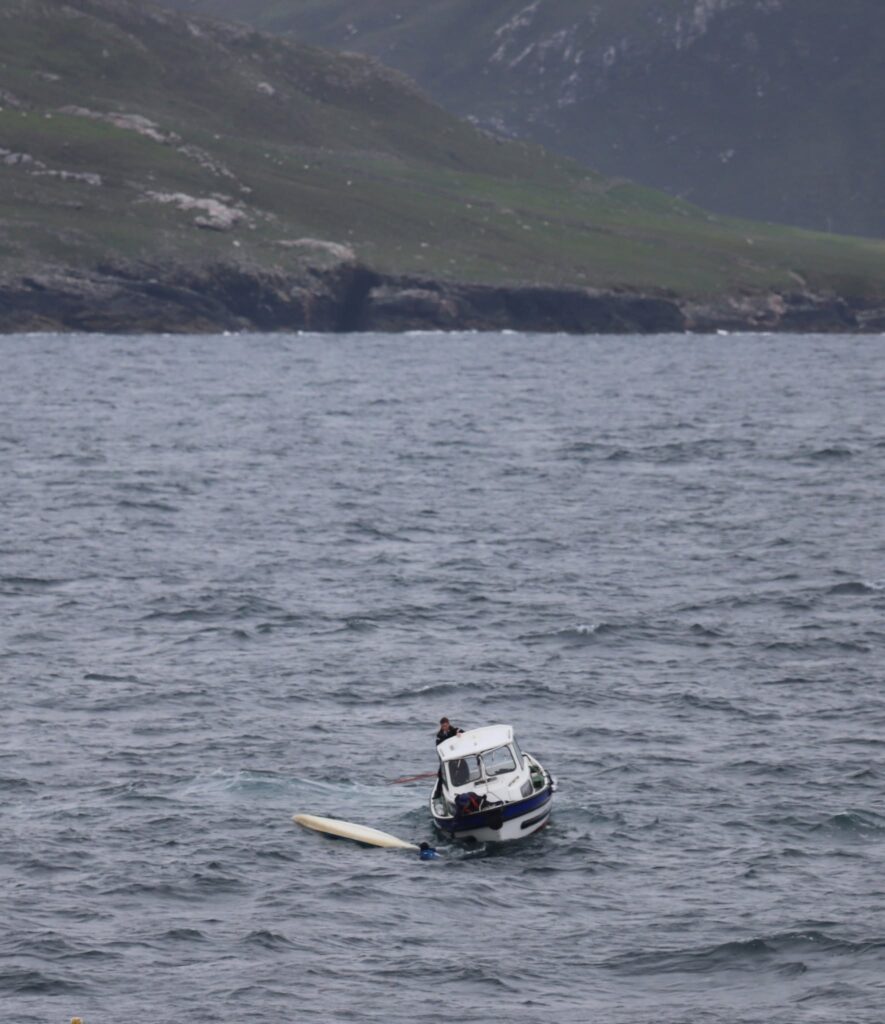
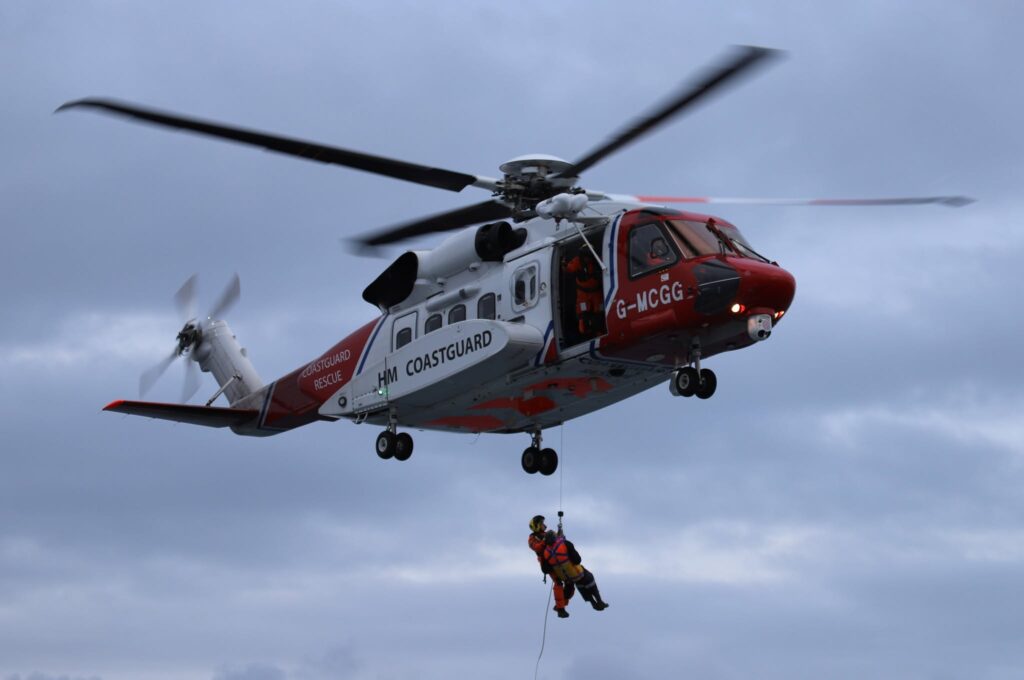
The return passage from St Kilda on proved more eventful than anticipated. West of the Sound of Harris, near the island of Coppay, Stornoway Coastguard contacted the ship and tasked her with investigating a personal distress beacon. On arrival at the scene, the crew made contact with a solo kayaker clinging to his kayak in moderate sea and swell — a situation that demanded an immediate response.
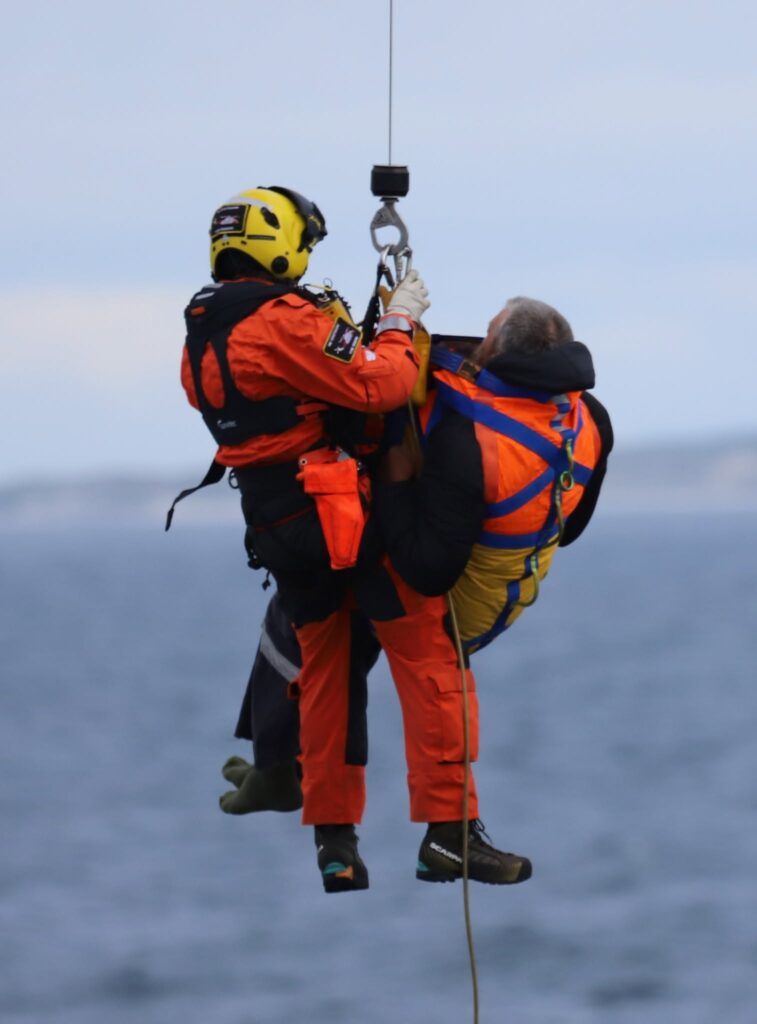
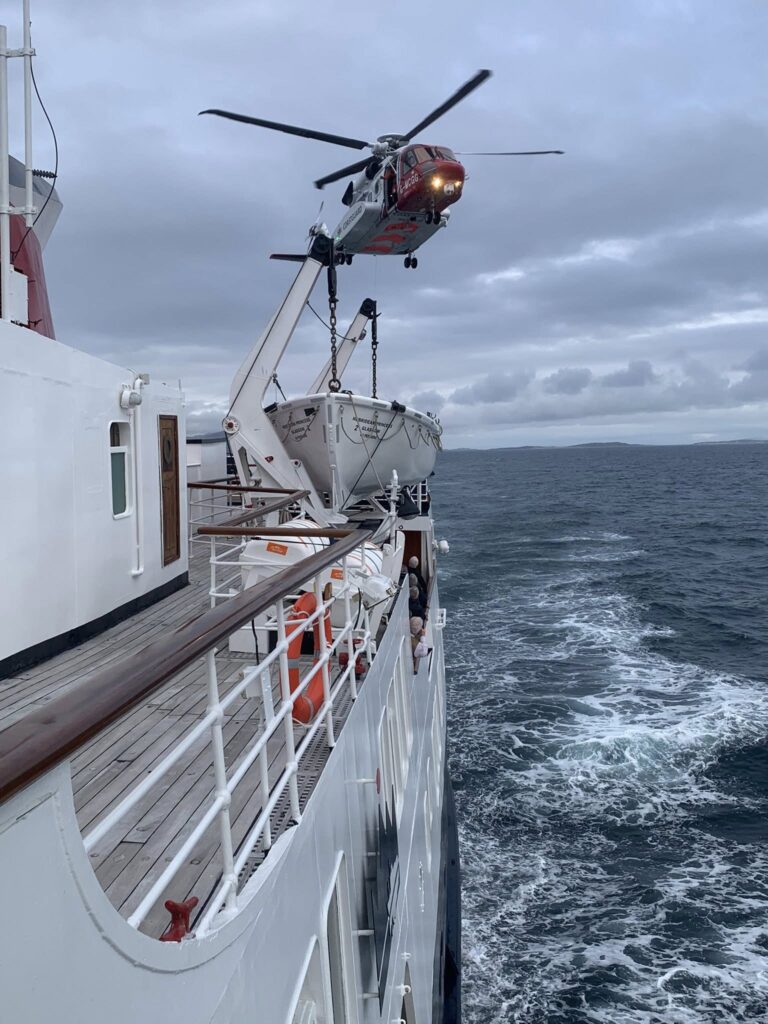
The ship’s tender was launched with a rescue team aboard, and the kayaker was recovered from the water and brought safely back aboard Hebridean Princess. He was suffering from hypothermia and cold water shock and was airlifted to hospital for treatment.
Throughout the operation, Stornoway Coastguard coordinated the wider response, with Rescue 948 carrying out the airlift while Enchanted Isle recovered the kayak and escorted the tender into the calmer waters off Leverburgh. The ship continued to Stornoway, docking in the early hours of 5th June.
Particular credit to the ship’s company for locating the casualty efficiently and executing the recovery without incident — the kind of seamanship that rarely features in itineraries, but defines what it means to work in these waters.
⚓ Berth alongside: Stornoway, Isle of Lewis
Friday 5th June
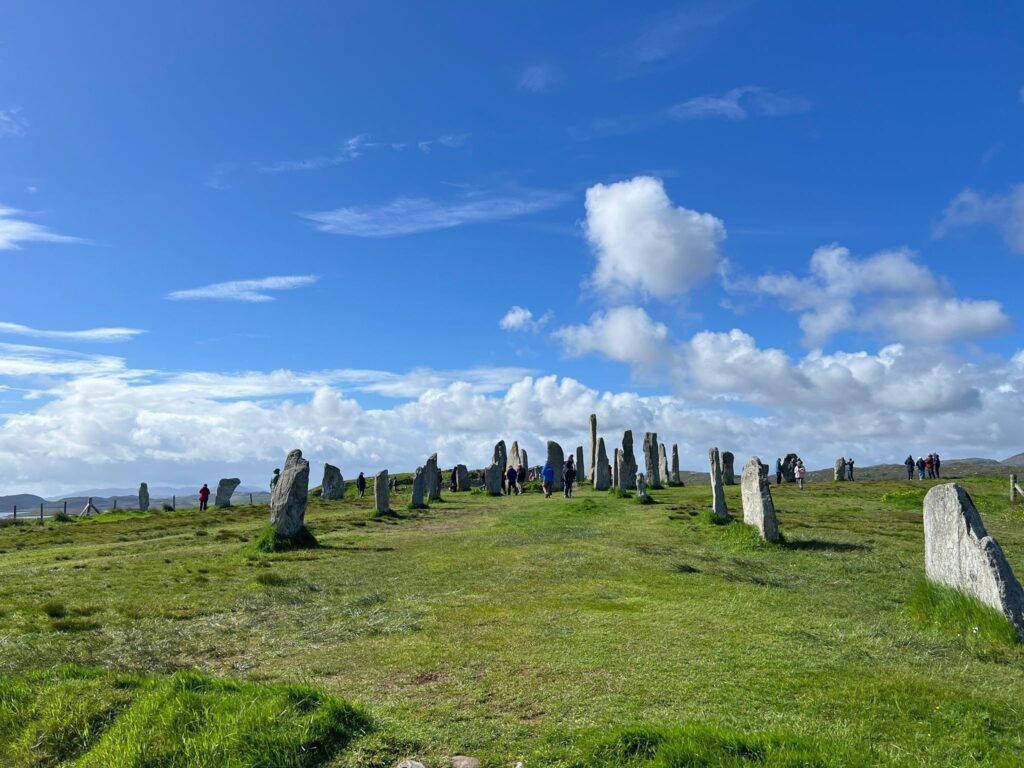
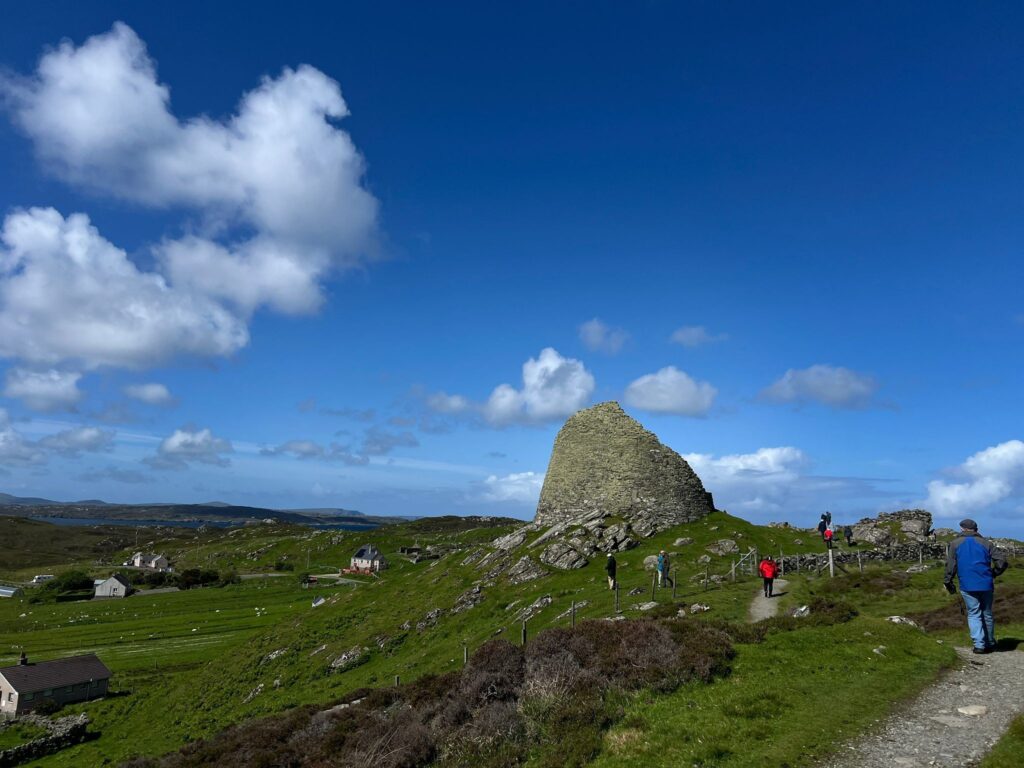
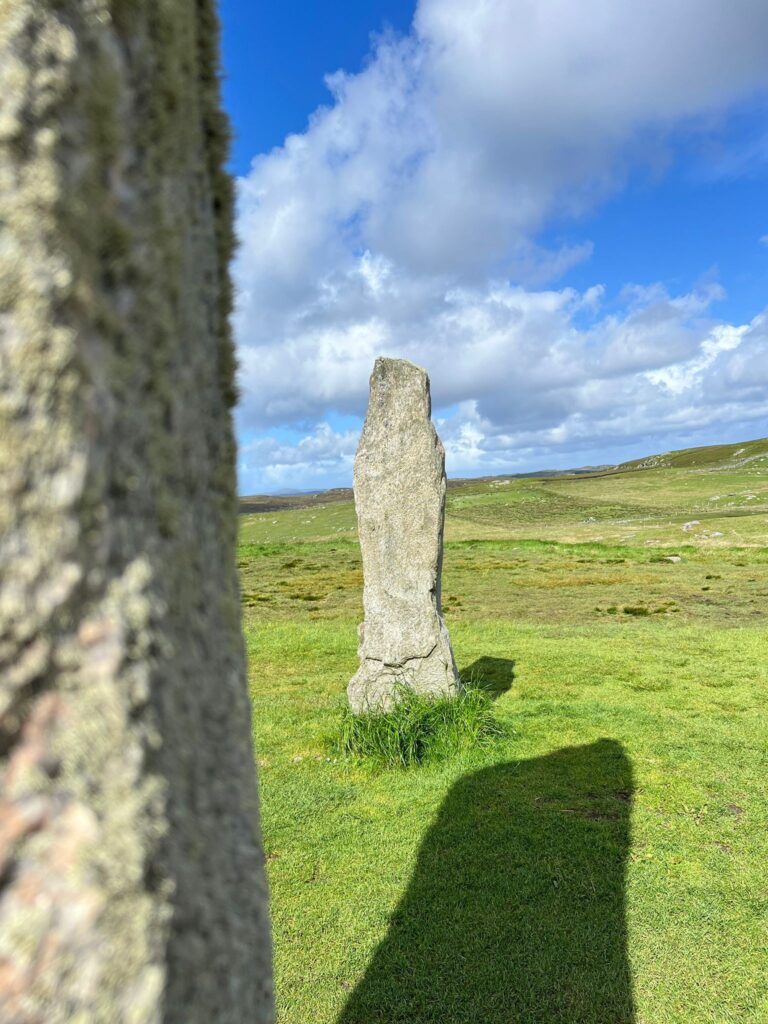
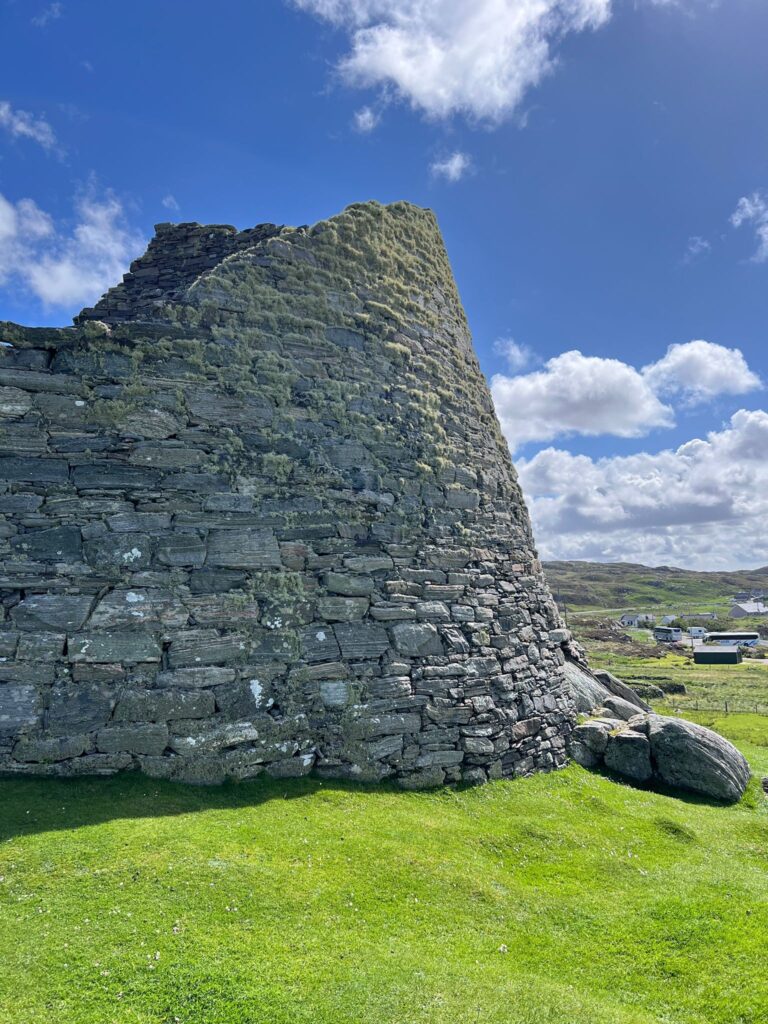
A coach took guests west across the Lewis moorland to Callanish, where the standing stones — erected around 3000 BC in a cruciform pattern around a central circle — rank among the most atmospheric prehistoric monuments in Europe. The group also visited Dun Carloway Broch, one of the best-preserved Iron Age towers in Scotland, its double-skinned drystone walls still standing to over nine metres.
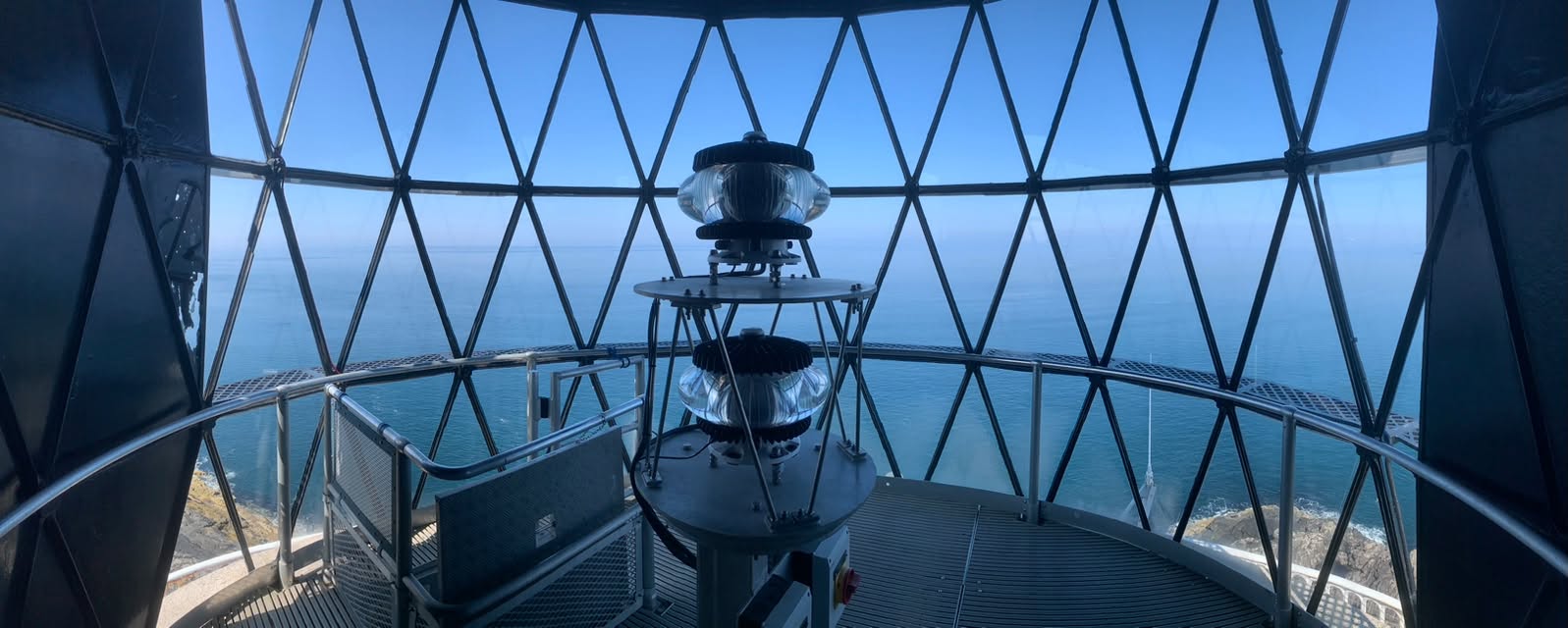
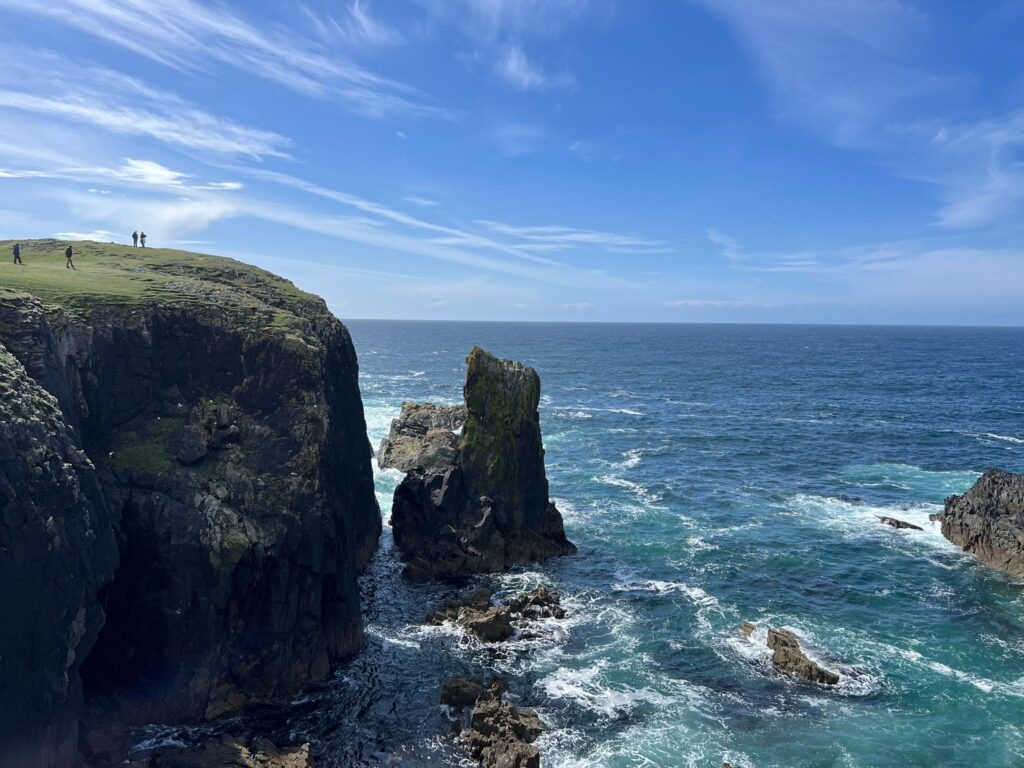
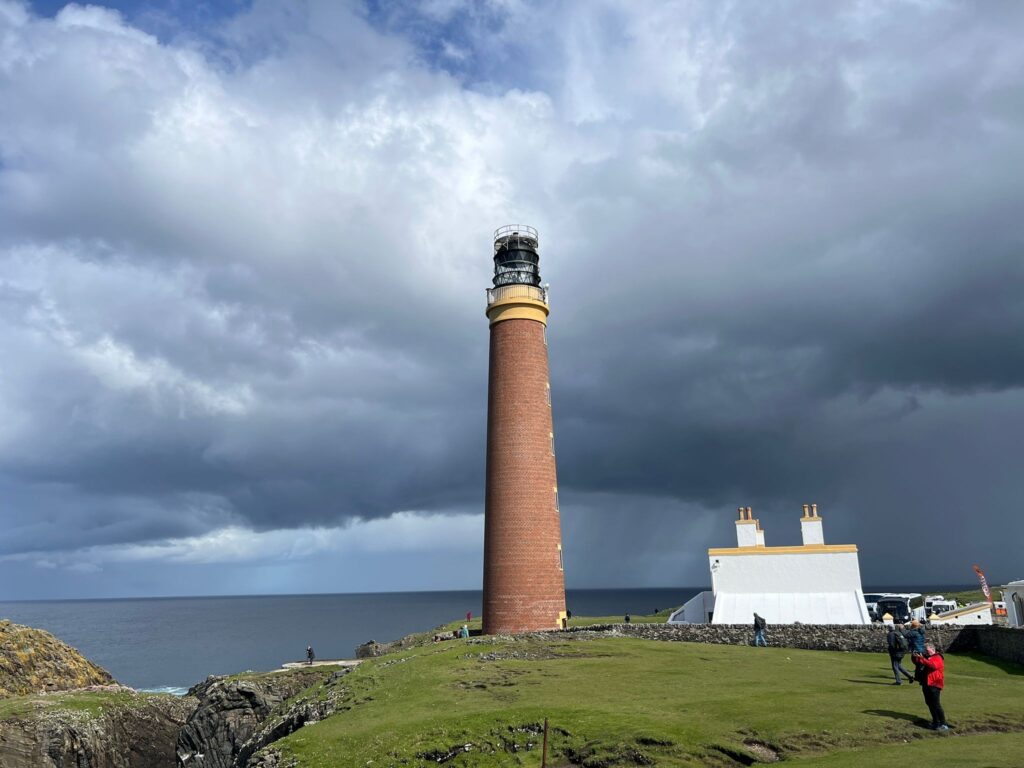
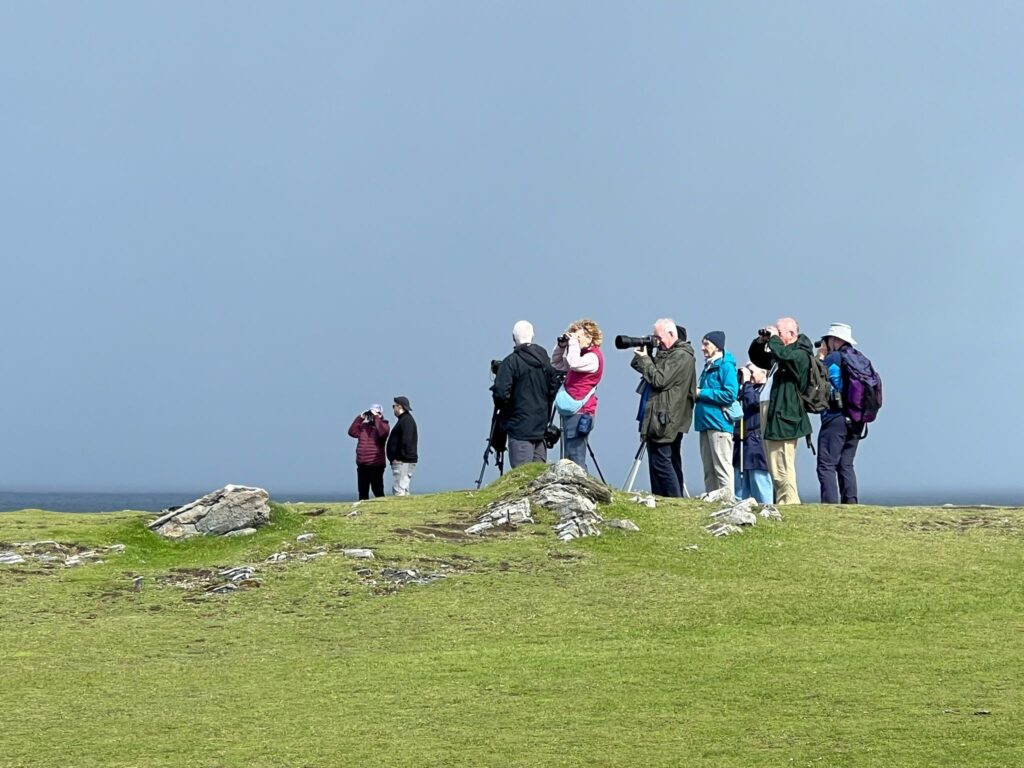
In the afternoon, guests had the choice of the Lews Castle Museum — which holds the Lewis Chessmen, or at least twelve of the original 93 — or the Butt of Lewis, the island’s northern tip, where the lighthouse headland is a reliable vantage point for northern gannet, fulmar and, with luck, cetaceans offshore.
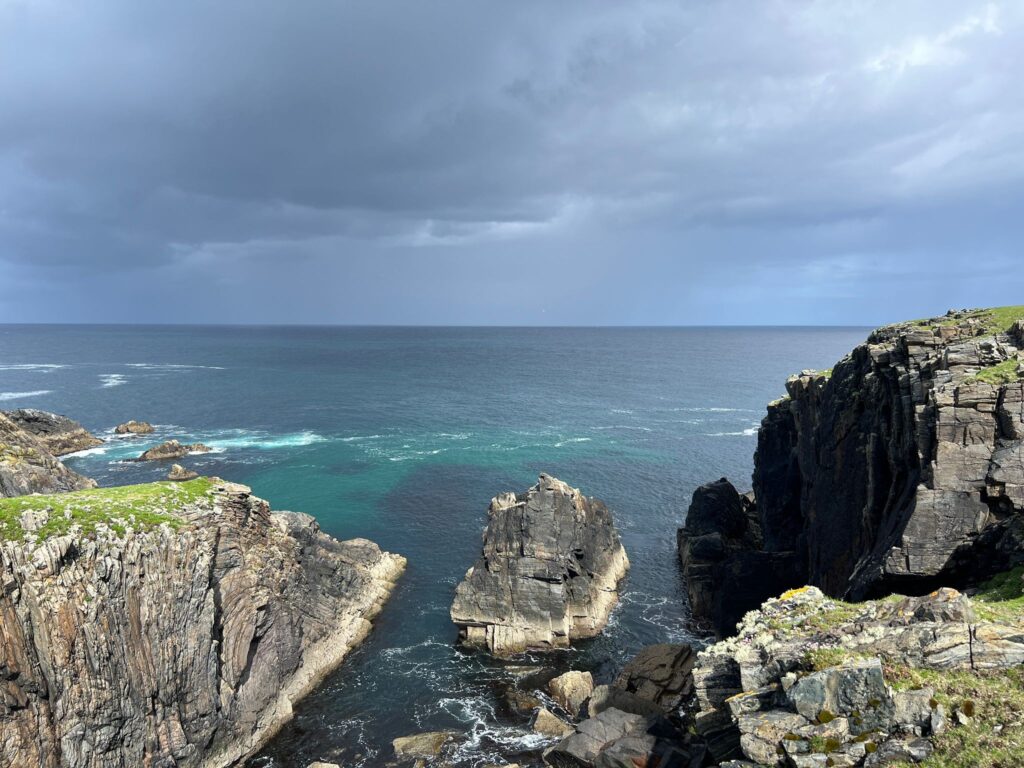
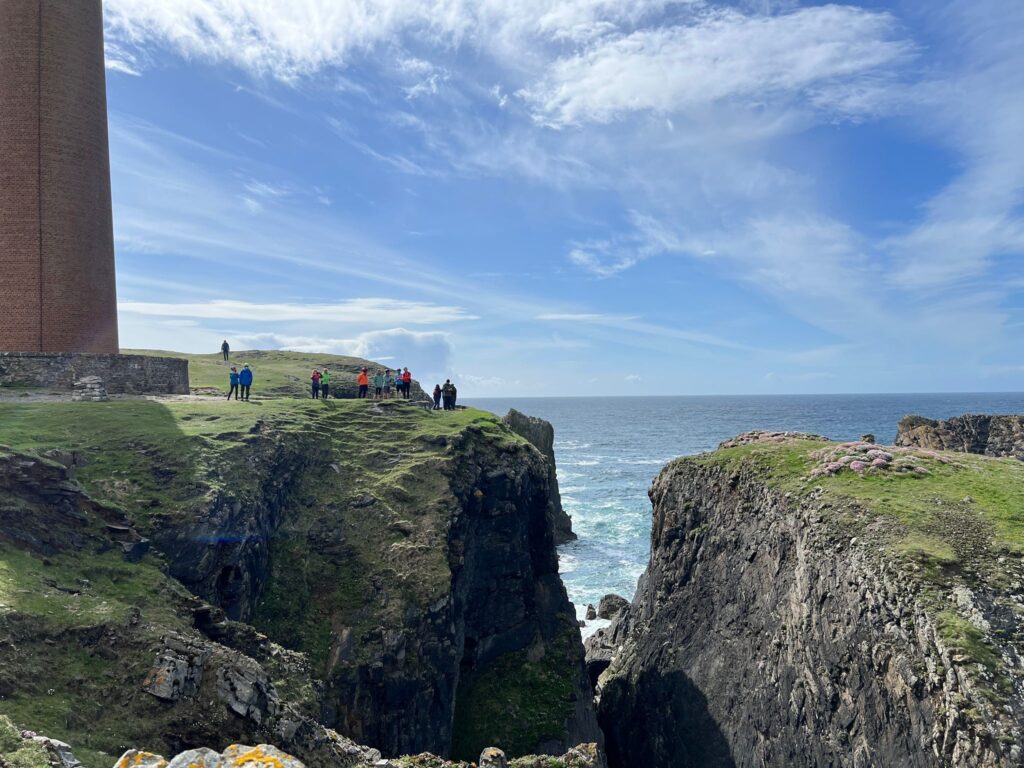
After dinner the ship departed, arriving at Lochinver to berth overnight.
⚓ Berth alongside: Lochinver
Saturday 6th June
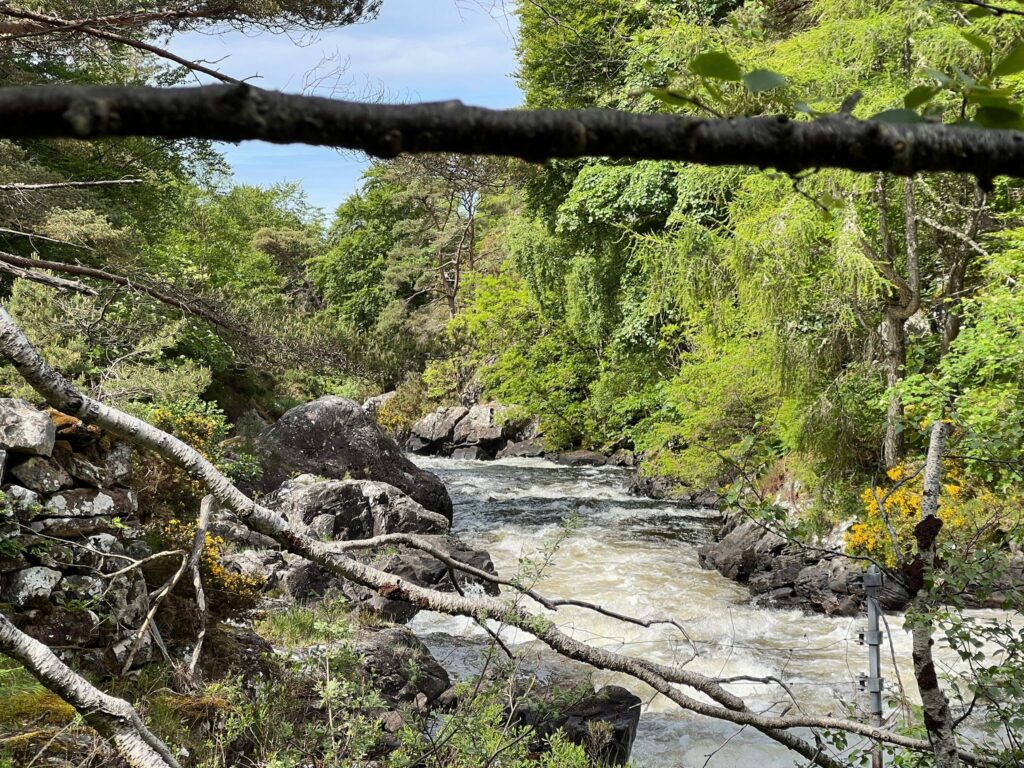
The morning was spent in Lochinver, a working fishing harbour backed by the dramatic quartzite peaks of Assynt. Guests joined guided woodland walks through the Culag Wood — ancient mixed woodland above the harbour, good for redstart, wood warbler and treecreeper — or explored the village independently.
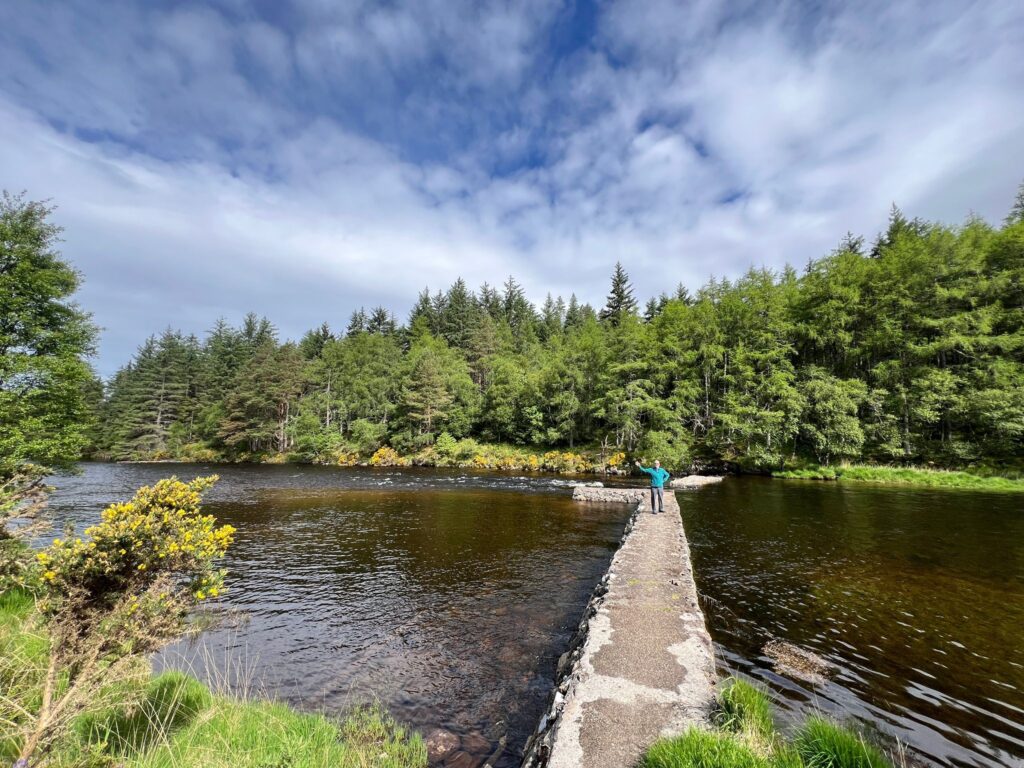
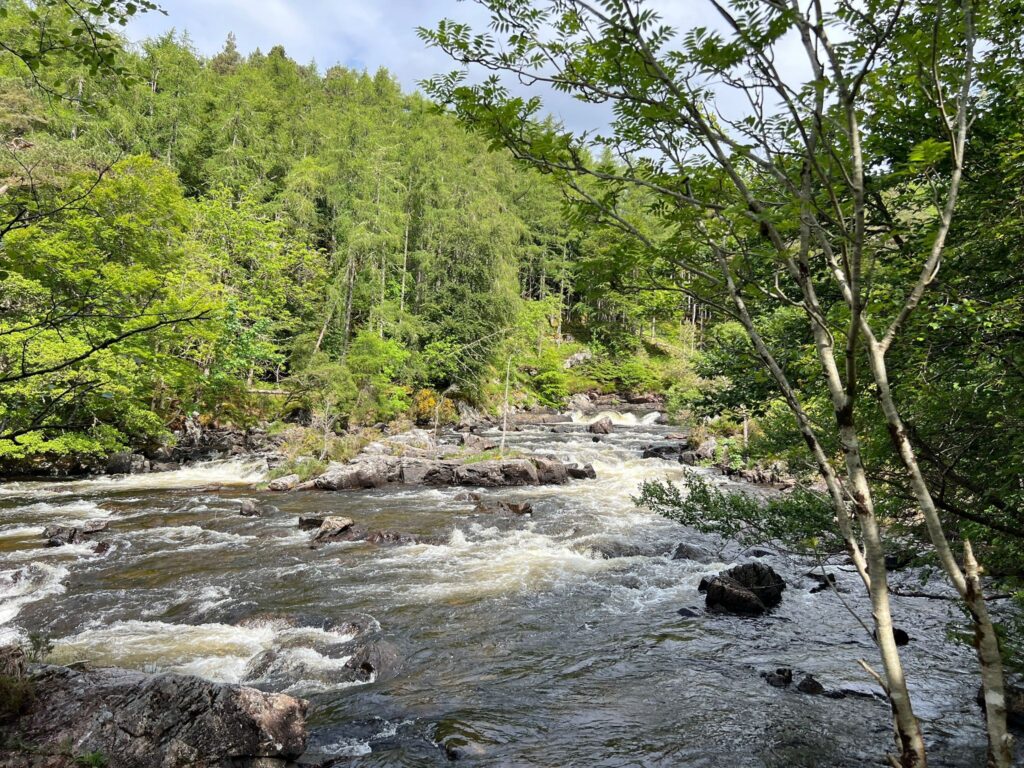
The afternoon was a passage south through the Minch towards North Uist.
⚓ Overnight anchorage: off Lochmaddy, North Uist
Sunday 7th June
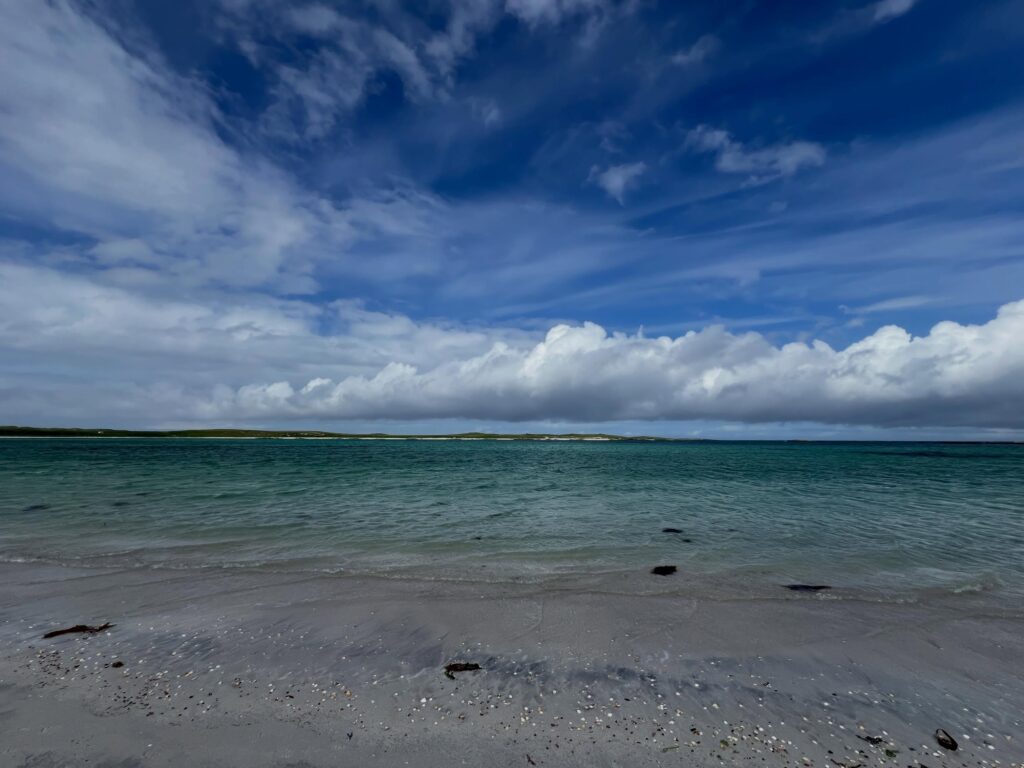
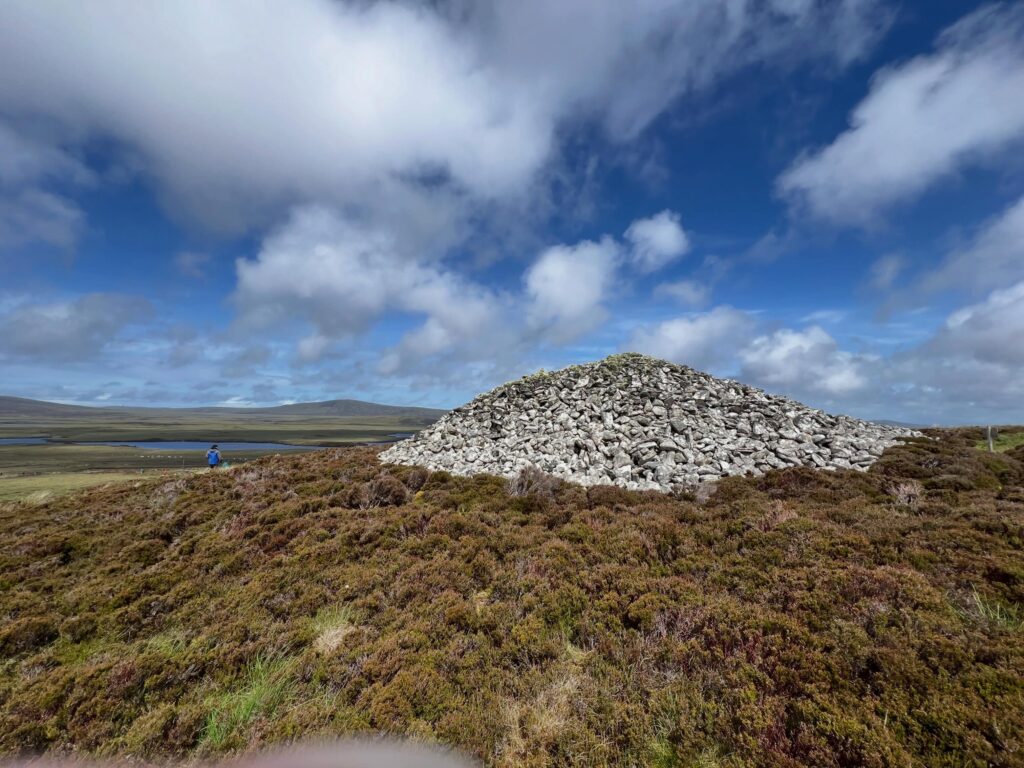
Coming alongside in the morning, a coach took guests to RSPB Balranald — one of the most important crofting reserves in the Hebrides and one of the last reliable sites in Britain for the corncrake, whose rasping call carried across the machair from the iris beds and hay meadows. Dunlin, ringed plover and redshank fed along the reserve’s loch margins. The group also visited Barpa Langass, a chambered cairn on the hillside above Loch Langass dating to around 3000 BC, intact enough to enter.
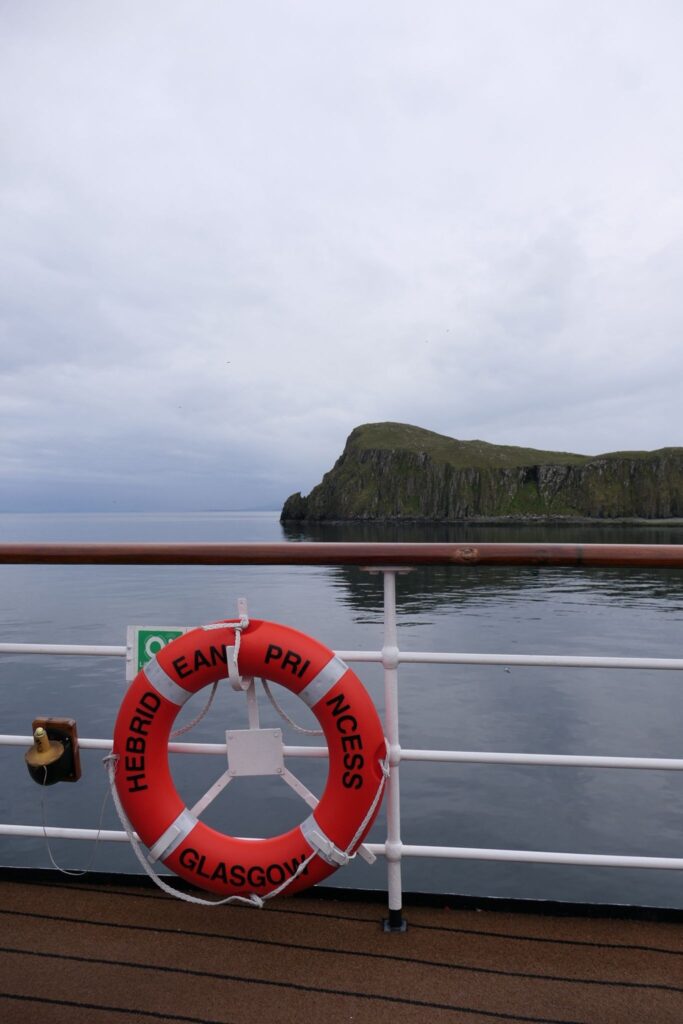
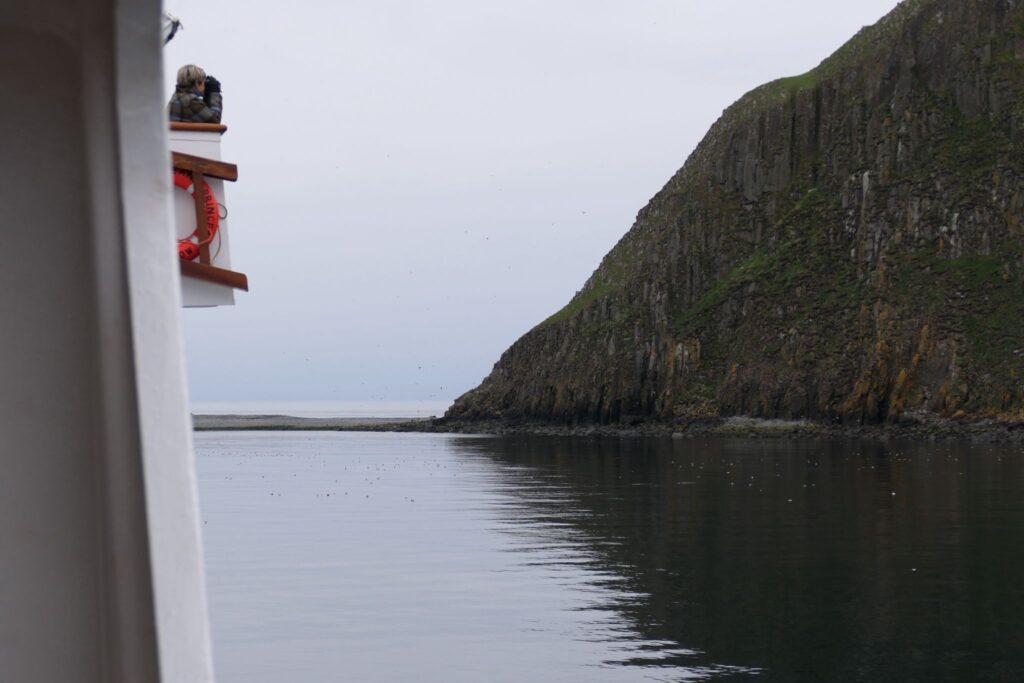
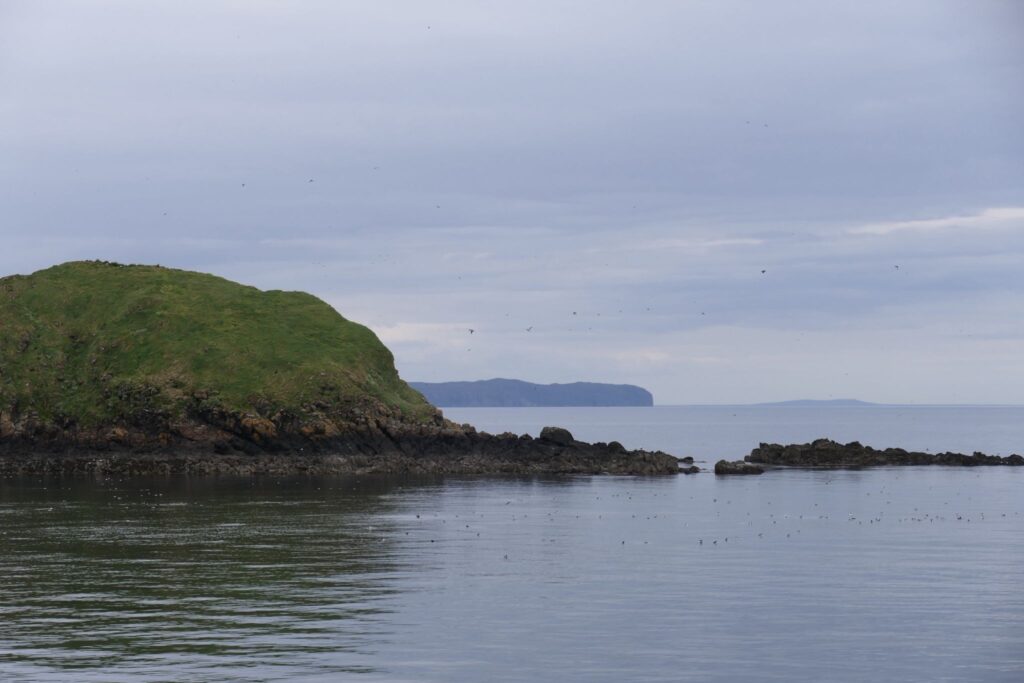
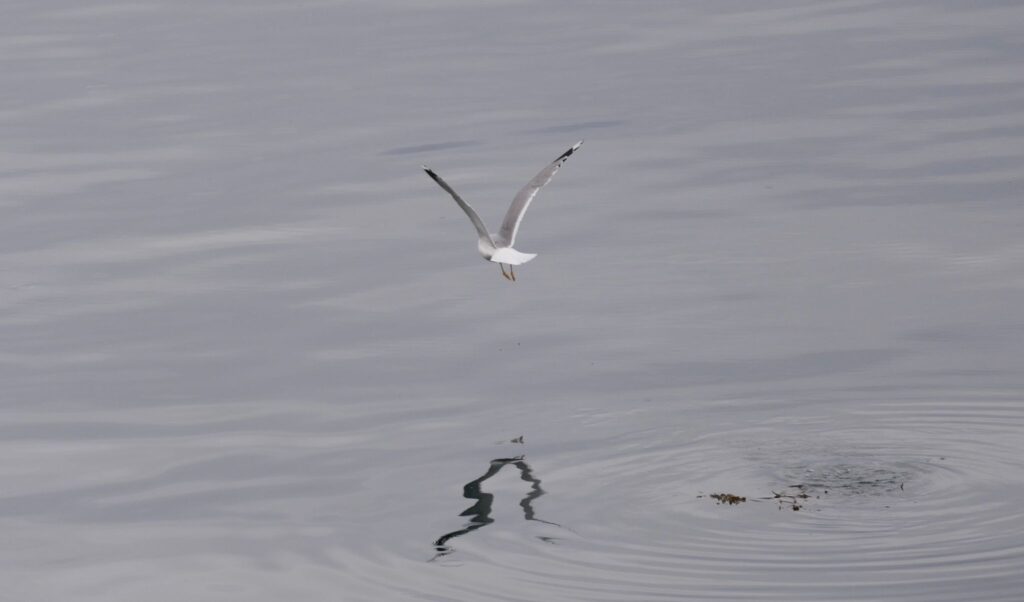
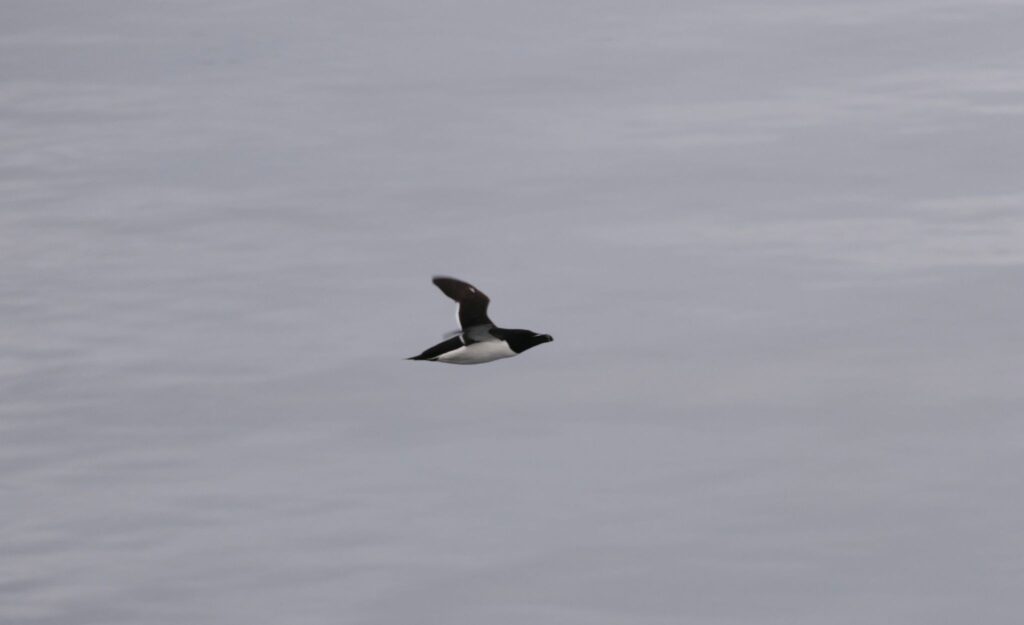
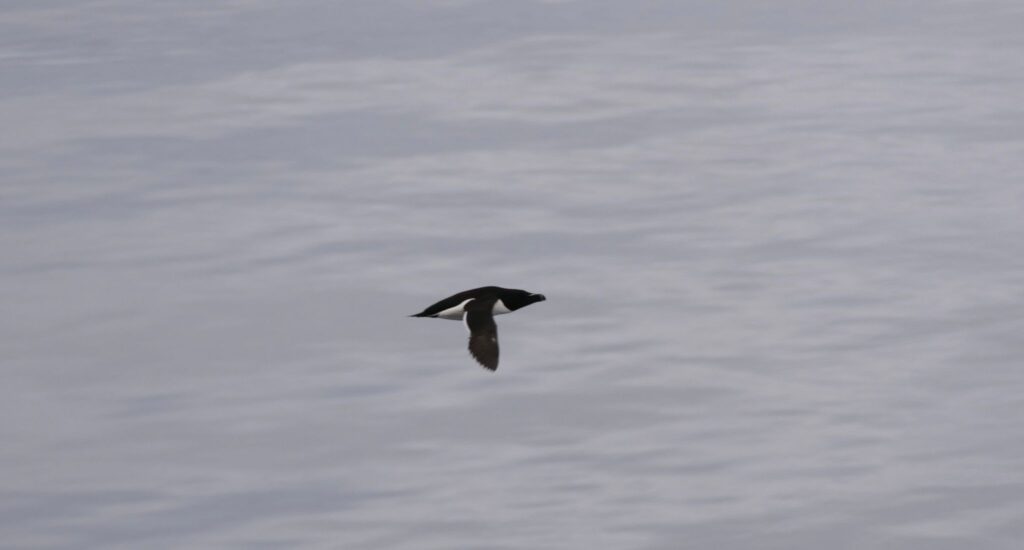
The afternoon brought a tender visit to the Shiant Isles — a cluster of basalt sea stacks in the middle of the Minch — where puffin, razorbill, guillemot and shag crowded the cliff ledges in their thousands.
⚓ Overnight anchorage: Loch na Dal, Skye
Monday 8th June
A scenic morning passage through the Sound of Sleat — the sheltered channel between Skye and the Knoydart peninsula, one of the finest stretches of mainland Scotland — past the Small Isles and round Ardnamurchan Point, the most westerly point on the British mainland, before arriving alongside Tobermory in the afternoon.
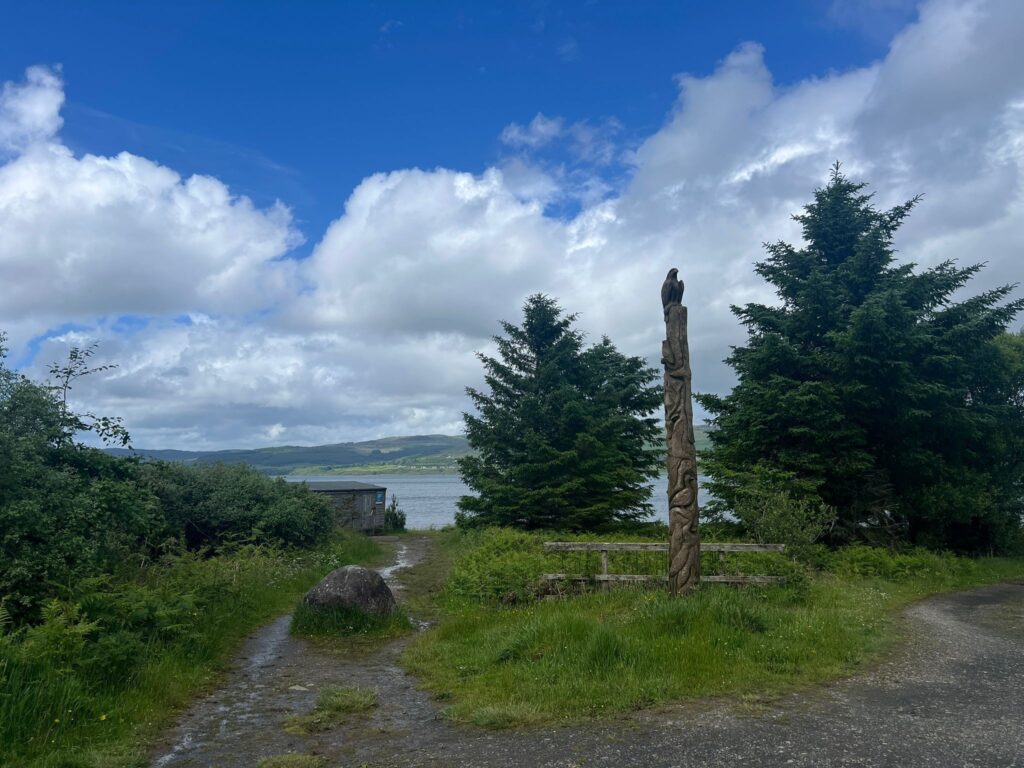
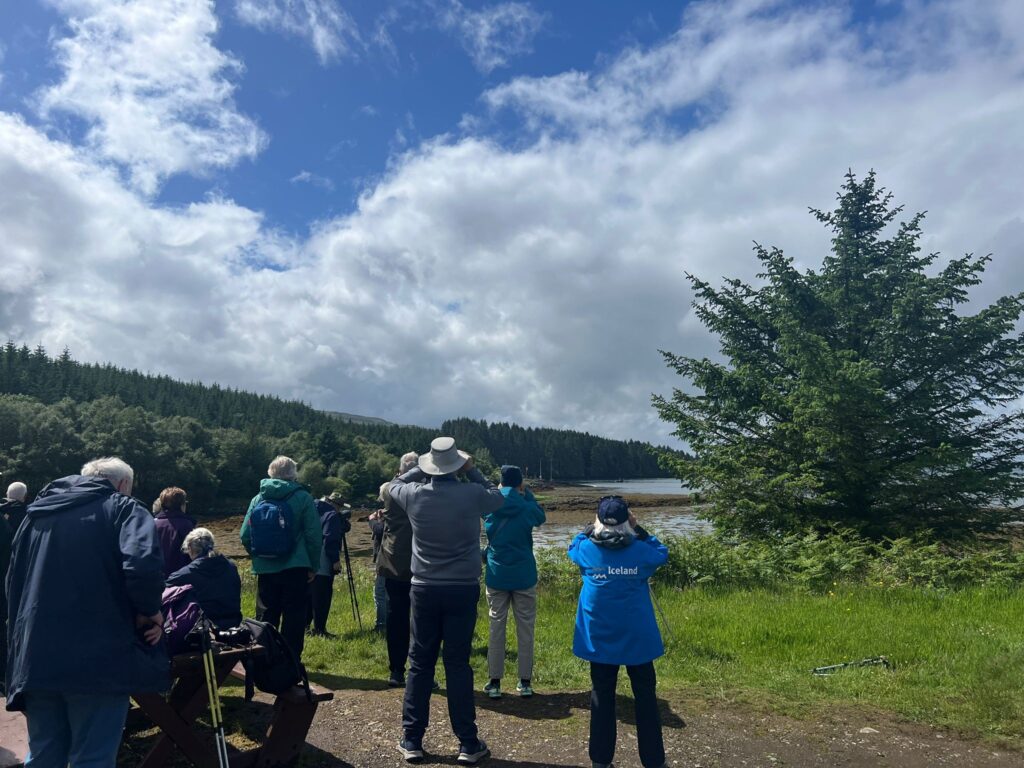
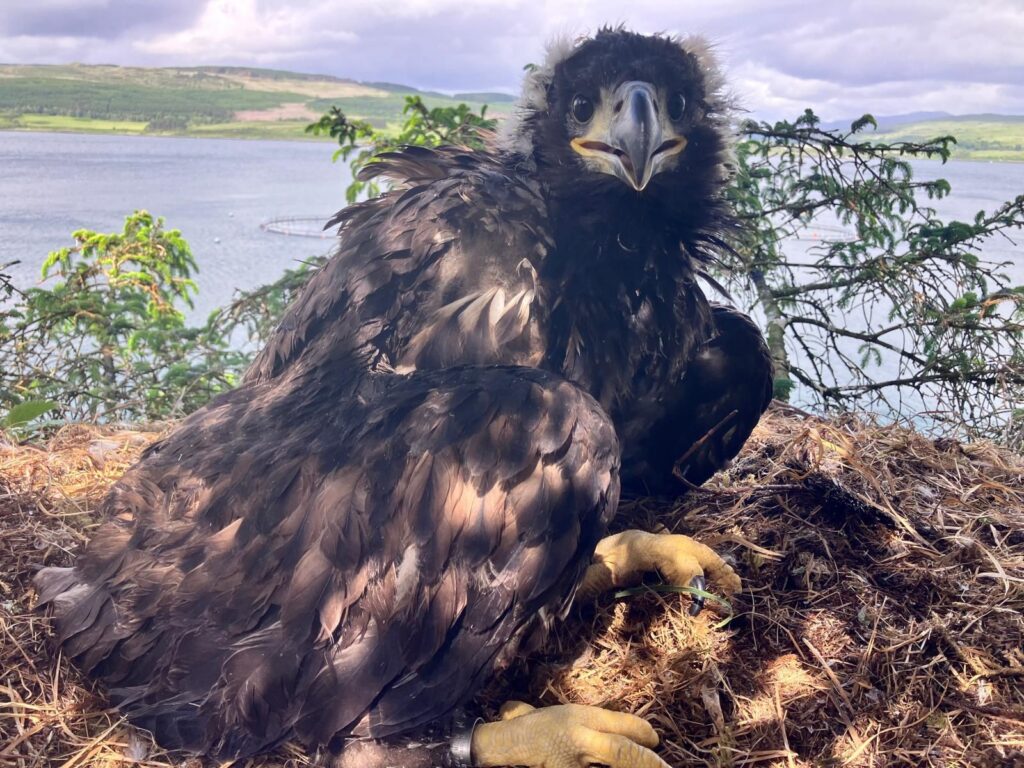
A coach took guests into the hinterland of Mull for white-tailed eagle spotting: the island holds one of the densest breeding populations in Scotland, and the birds — with a wingspan approaching two and a half metres — were seen hunting over forestry and open hillside. Others explored Tobermory independently.
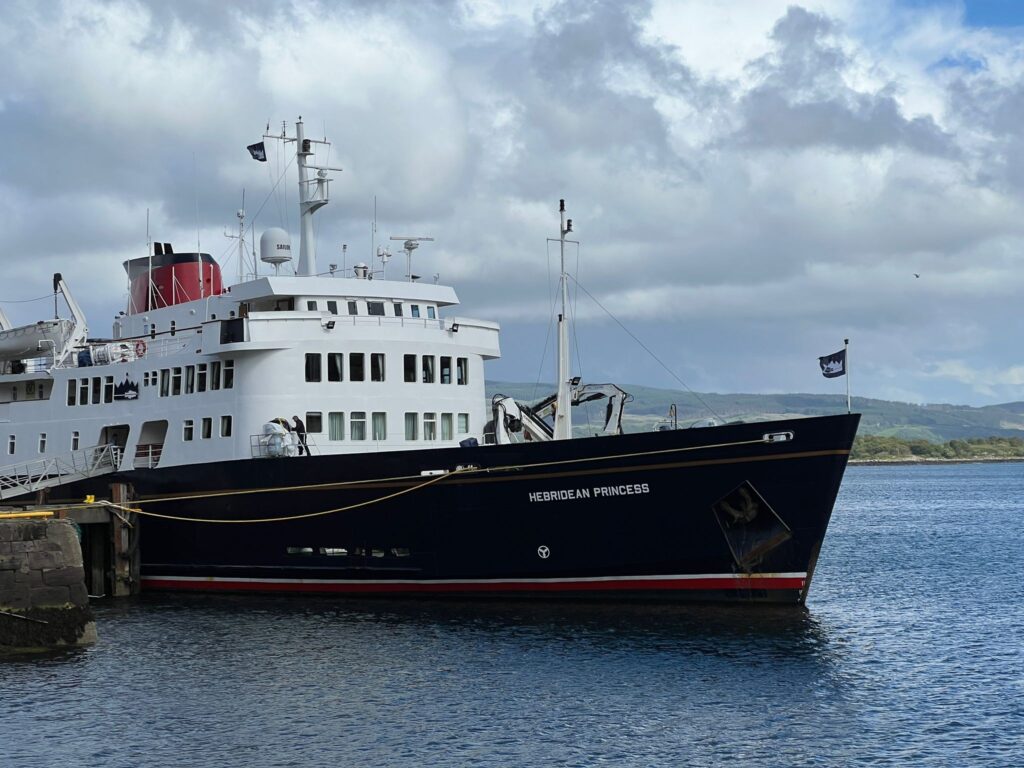
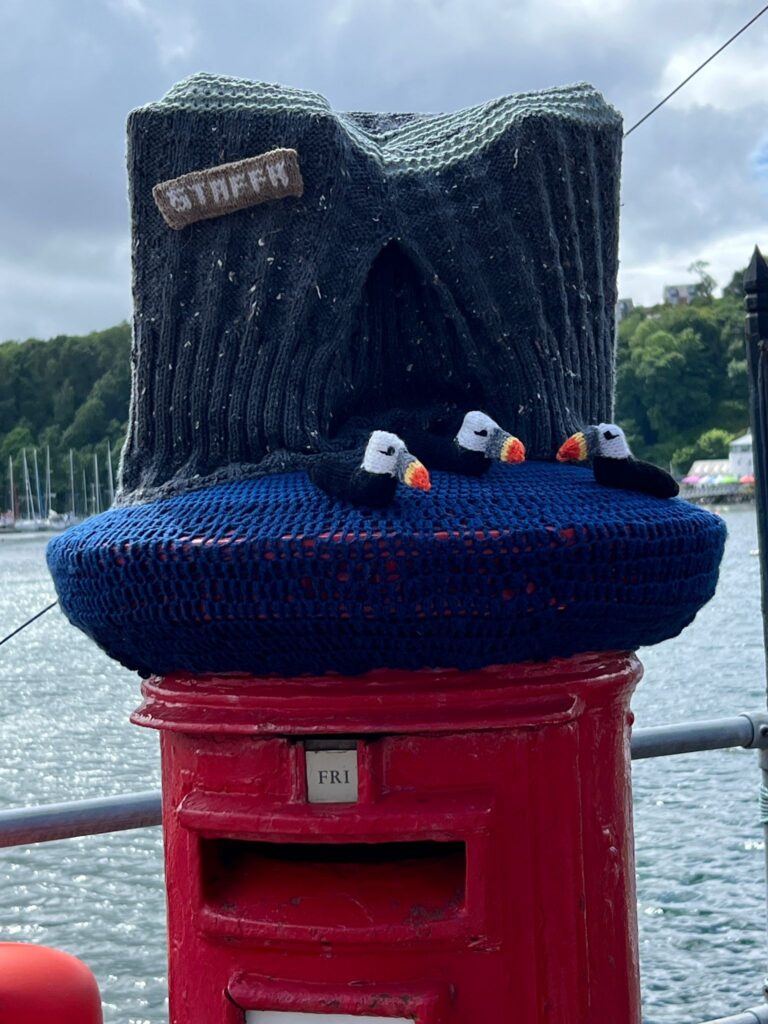
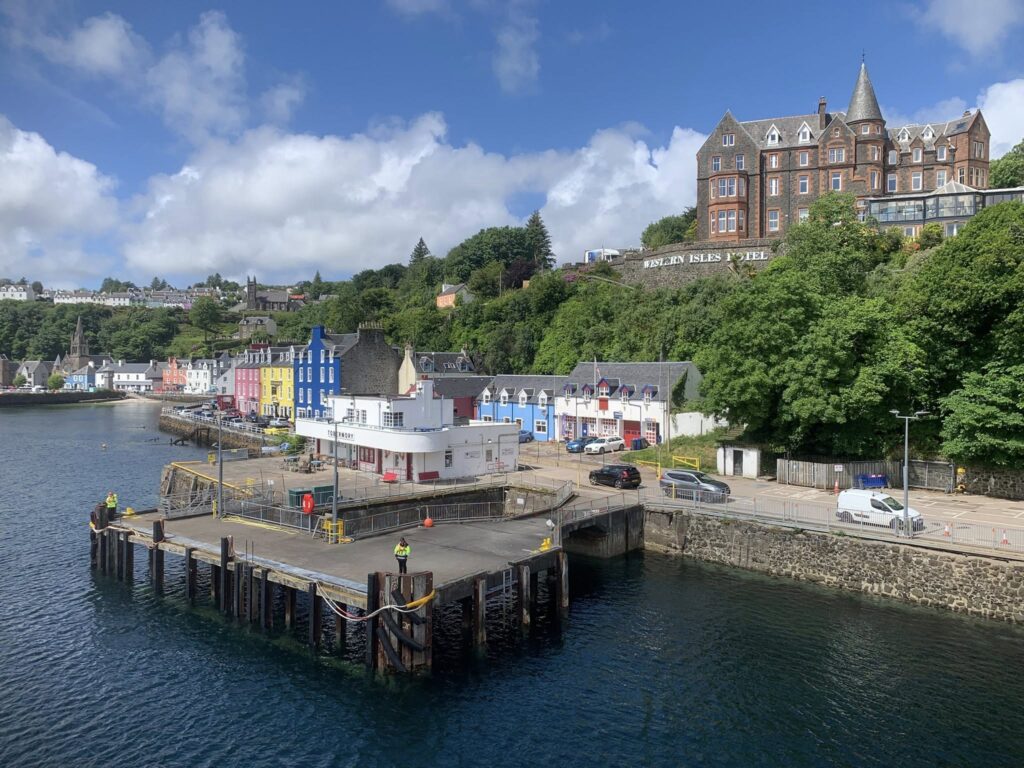
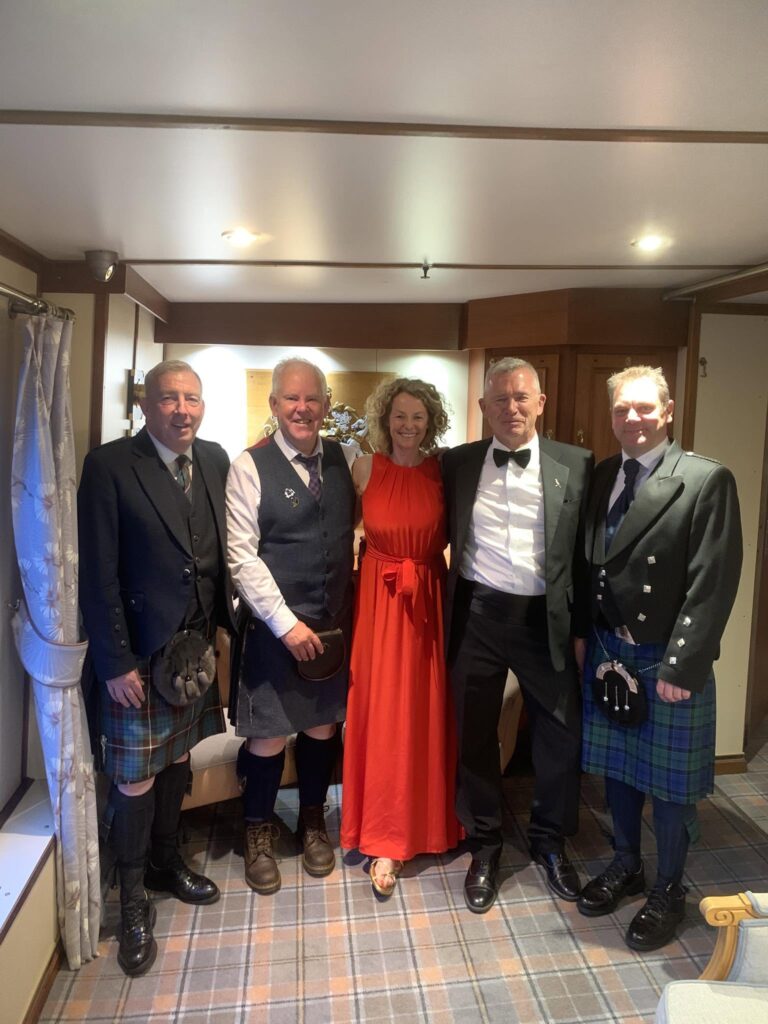
⚓ Overnight anchorage: Oban Bay where the Farewell Gala Dinner was held.
Tuesday 9th June
The cruise concluded in Oban, where passengers disembarked after a week navigating some of the most remote and seabird-rich waters in the British Isles.